Half Moon Bay Sellers: 'As-Is' Does Not Excuse These Three Forms

Why This Matters Here
Of the 5,102 Half Moon Bay parcels in this market's record with a known build year, 2,462 were built before 1978. That is roughly 48 percent of the stock. When a home that old changes hands, a separate federal lead-paint disclosure requirement layers on top of California's already detailed Transfer Disclosure Statement. Knowing both before you list — not after an offer lands — is how you avoid scrambling.
Half Moon Bay's homes, from the record
| Built | Homes |
|---|---|
| before 1940 | 253 |
| 1940-1959 | 347 |
| 1960-1979 | 1,946 |
| 1980-1999 | 1,855 |
| 2000 or later | 701 |
| Single-family homes | 4,280 |
|---|---|
| Median lot | 6,709 sq ft |
| On an acre or more | 61 |
| Median size | 1,970 sq ft |
5,102 of 5,942 parcels in this market's record have a known build year.
The Transfer Disclosure Statement
California Civil Code Article 1.5 requires sellers of one-to-four-unit residential property to deliver a completed Transfer Disclosure Statement (TDS) to any prospective buyer. The requirement applies when real property of one to four dwelling units is transferred by sale, exchange, installment land sale contract, ground lease coupled with improvements, lease with an option to purchase, or any other option to purchase.

The TDS is not a formality. It is a statutorily mandated document outlining the conditions and issues with the property of which the seller is aware, covering known defects in electrical systems and other components, and requiring a comprehensive list of appliances and features along with an extensive questionnaire about specific dangers or issues known about the property.
Timing matters. In the case of a sale, the seller must deliver the completed written statement as soon as practicable before transfer of title. If delivery happens after a buyer has already submitted an offer, the buyer gets a window to reconsider. If any disclosure, or any material amendment of any disclosure, is delivered after the execution of an offer to purchase, the prospective buyer has three days after delivery in person, five days after delivery by deposit in the mail, or five days after delivery of an electronic record to terminate the offer.
One point sellers sometimes misread: delivery of the Transfer Disclosure Statement may not be waived in an "as is" sale. Selling as-is limits what you fix; it does not limit what you disclose.
The specification of items for disclosure does not limit or abridge any obligation for disclosure created by any other provision of law or which may exist in order to avoid fraud, misrepresentation, or deceit in the transfer transaction. A TDS is a floor, not a ceiling.
The agent also has a role. An agent's certification of performing the required visual inspection is contained in the Transfer Disclosure Statement itself. That is distinct from the seller's own section; both must be completed.
The Natural Hazard Disclosure Statement
Running alongside the TDS is the Natural Hazard Disclosure Statement (NHDS), governed by Civil Code §§ 1103–1103.14. Sellers must disclose to buyers if the property is located in a special flood hazard area, dam failure inundation area, earthquake fault zone, seismic hazard zone, high fire severity area, or a wildland fire area.

The NHDS is not optional if the conditions are met. Where a natural hazard disclosure statement is required in the sale of residential property, the seller must deliver the statement to the buyer promptly under the circumstances and prior to the transfer of title. If the seller fails to deliver it before closing, the buyer may terminate the offer to purchase the property.
For Half Moon Bay, fire zone status is worth checking carefully. CAL FIRE has made recommendations on Very High Fire Hazard Severity Zones for the City of Half Moon Bay within San Mateo County. AB 1280 (2023) expanded what sellers must state on the NHDS. The revised Natural Hazard Disclosure Statement now requires the statement to include whether the property is located within a high fire hazard severity zone, whereas previous law only required disclosure of a very high fire hazard severity zone. The statement must also indicate whether the property is in a state responsibility area or a local responsibility area, which identifies who must provide fire protection. Every seller should look up their specific parcel on the CAL FIRE FHSZ viewer before completing this section — not guess based on the neighborhood.
When a map exists but isn't precise enough to answer the question definitively, if an earthquake fault zone, seismic hazard zone, high or very high fire hazard severity zone, or wildland fire area map or accompanying information is not of sufficient accuracy or scale that a reasonable person can determine if the subject real property is included in a natural hazard area, the seller or seller's agent shall mark "Yes" on the Natural Hazard Disclosure Statement. A licensed geologist or similar expert can provide a report that supports a "No" answer; consult a qualified professional if you believe the map is catching your parcel incorrectly.
The Federal Lead-Paint Overlay
For the roughly 2,462 parcels in this record built before 1978, a separate federal obligation applies on top of the state forms. Title X directs EPA and HUD to require the disclosure of known information on the presence of lead-based paint and lead-based paint hazards before the sale or lease of most housing built before 1978.
Before finalizing a contract, sellers or their agents must disclose known information regarding lead-based paint hazards including copies of any inspection reports, provide purchasers with the EPA pamphlet titled Protect Your Family from Lead in Your Home, and allow purchasers ten days to inspect or test for lead hazards. That ten-day window can be shortened or lengthened by mutual agreement, but it cannot be skipped unilaterally.
The federal rule is independent of the state TDS. Completing the California form does not satisfy the federal requirement, and vice versa.
What "As-Is" Does and Does Not Cover
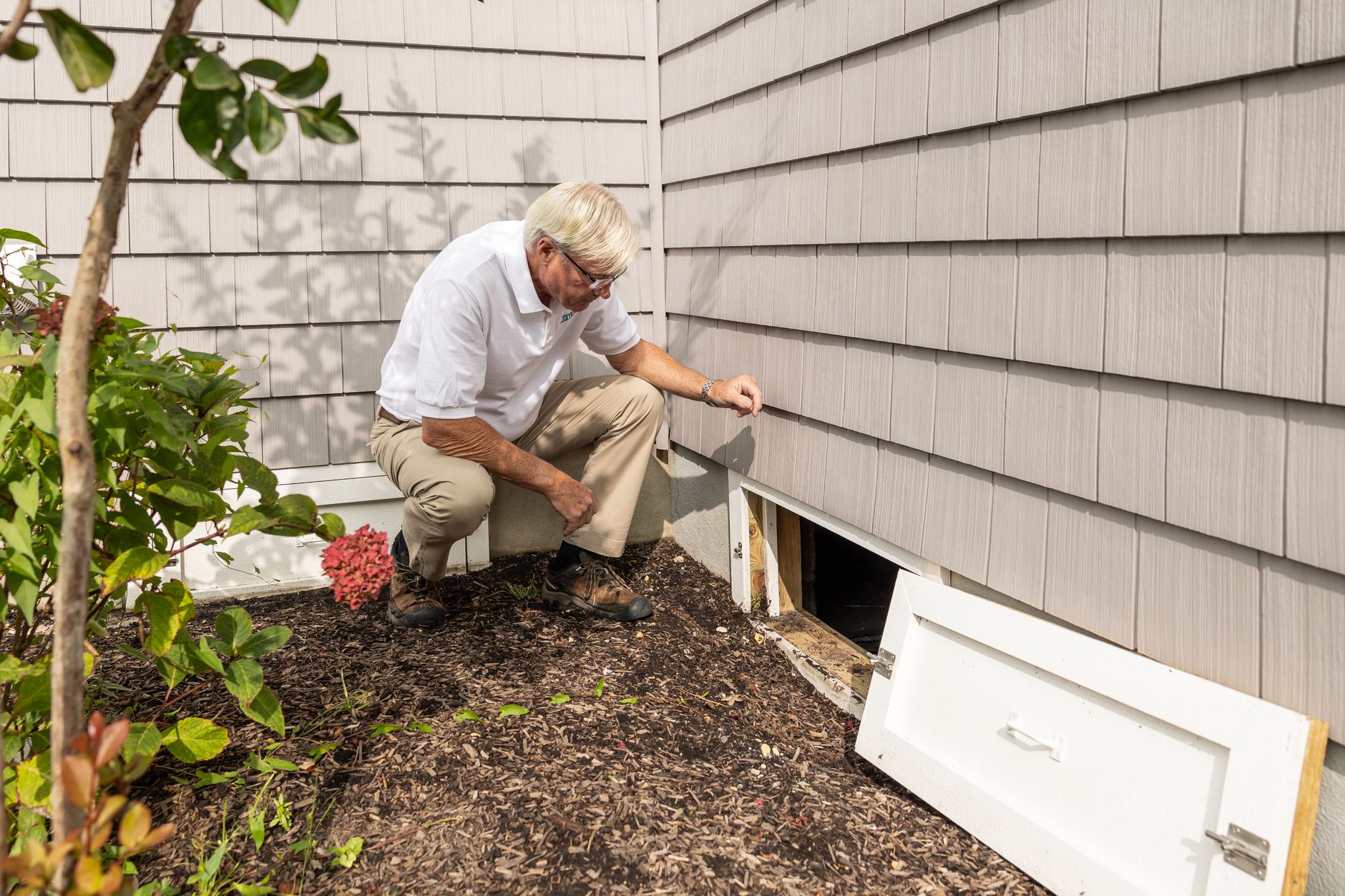
Sellers of older Half Moon Bay homes sometimes ask whether an as-is clause lets them skip disclosures. It does not. The TDS cannot be waived. The NHDS cannot be waived. The federal lead-paint disclosure cannot be waived. What an as-is clause addresses is repair obligations, not the seller's duty to say what they know. Any material amendment to a disclosure after an offer is signed restarts the buyer's cancellation window, so it is worth getting the paperwork right before the listing goes live.
Where to Check
- California Civil Code §§ 1102–1102.19 (Legislative Information) — the full text of the TDS statute, including all exemptions and timing rules
- California Civil Code §§ 1103–1103.14 (SSC) — the NHDS statute and the required form language
- California DRE — Laws for Property Owners & Licensees (2025) — plain-language summary of recent disclosure law changes including AB 1280
- CAL FIRE LRA Fire Hazard Severity Zone Maps — confirms CAL FIRE has made VHFHSZ recommendations for Half Moon Bay
- CAL FIRE FHSZ Viewer — parcel-level fire zone lookup
- EPA Lead-Based Paint Disclosure Rule — federal requirement for pre-1978 homes
- CDPH Real Estate Disclosure & Notification — California Department of Public Health explanation of the lead disclosure requirement
Tim McMullen · CA DRE #02016832
[email protected] · (415) 691-9272
- https://leginfo.legislature.ca.gov/faces/codes_displayText.xhtml?division=2.&chapter=2.&part=4.&lawCode=CIV&title=4.&article=1.5.
- https://ssc.ca.gov/wp-content/uploads/sites/9/2020/08/civil_code_1103.pdf
- https://www.dre.ca.gov/newsroom/DRE_Updates/2025_07_21_Laws_for_California_Property_Owners_and_Real_Estate_Licensees.html
- https://leginfo.legislature.ca.gov/faces/billNavClient.xhtml?bill_id=202320240AB1280
- https://osfm.fire.ca.gov/what-we-do/community-wildfire-preparedness-and-mitigation/fire-hazard-severity-zones/fire-hazard-severity-zones-maps
- https://www.epa.gov/lead/lead-based-paint-disclosure-rule-section-1018-title-x
- https://www.cdph.ca.gov/Programs/CCDPHP/DEODC/CLPPB/Pages/LRCrealdisc.aspx
More from Half Moon Bay
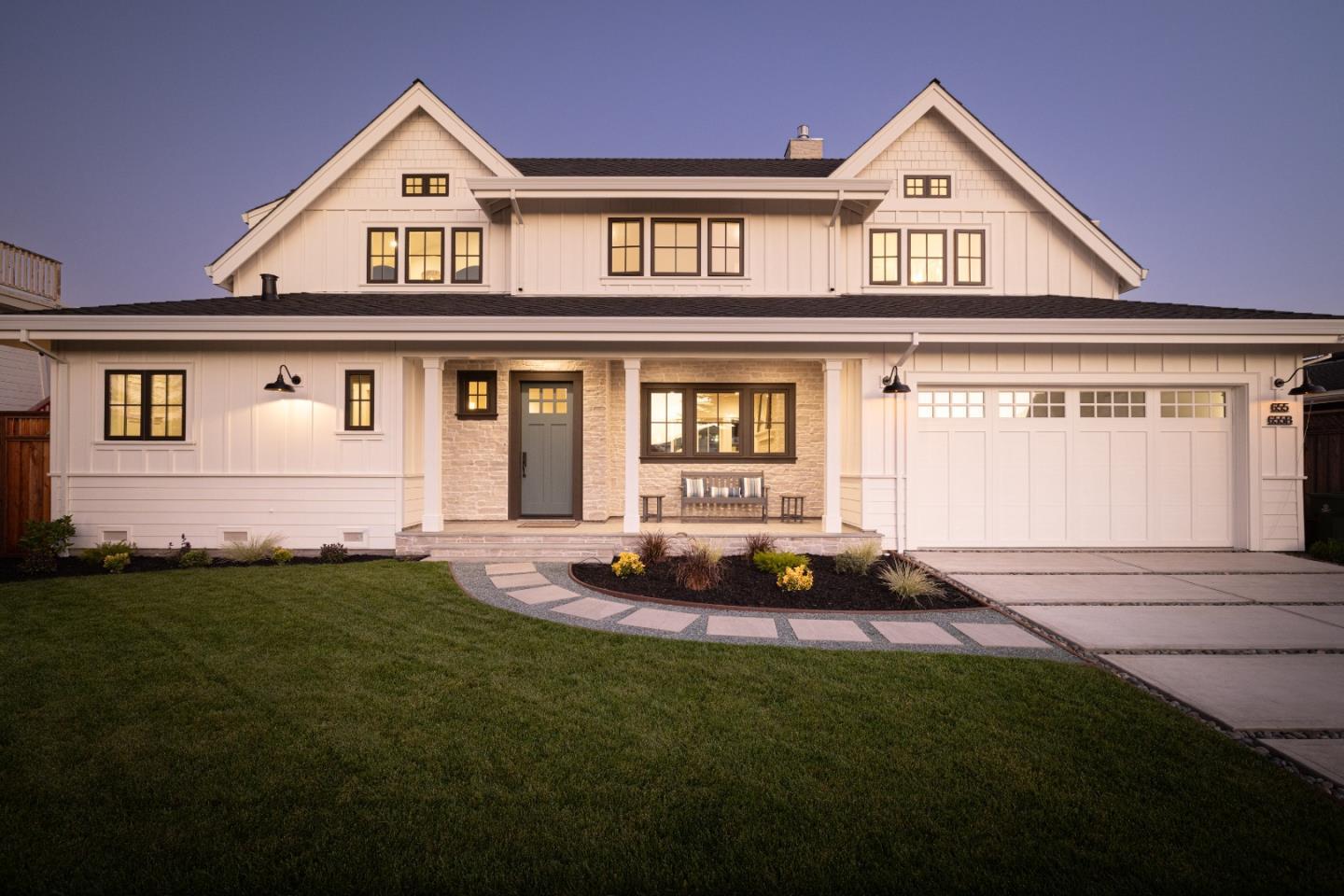
655 Potter Avenue asks more than any Half Moon Bay sale in two years
The five-bedroom new build lists at $4,200,000 — $505,000 above the city's highest recorded sale in the last two years and ranked last among 16 comparable single-family listings by price. Its $1,298 per square foot ask is $159 above the closest peer sale.
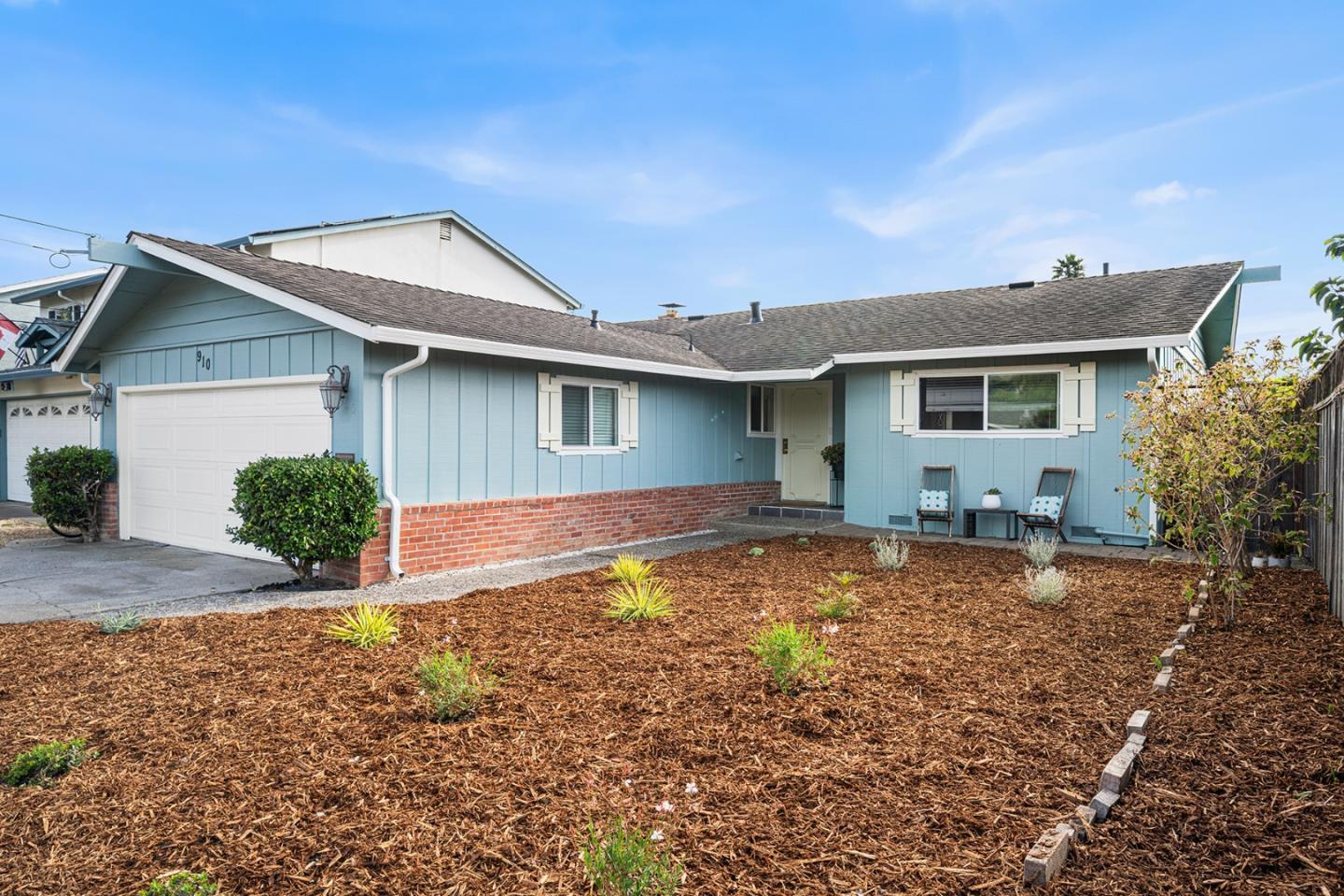
910 Golden Gate Avenue lists at $1.2M — here's where that lands in Half Moon Bay's range
A single-family home on Golden Gate Avenue appeared on the MLS feed on October 5. No closings, no pendings.
655 Potter Avenue just listed above every Half Moon Bay sale in six months
A single-family home at 655 Potter Avenue appeared on the MLS feed on October 6 at $4,200,000 — above the high end of every sale recorded in the city over the past six months.