The Permit Before the Permit: Coastal Development in Half Moon Bay
The whole city is in the coastal zone
Of the roughly 5,100 parcels in this market with a known build year, more than 2,500 were built before 1980 — many of them before the rules described below existed. Owners of those homes often discover the coastal permitting layer only when they plan a remodel, an addition, or an ADU. The discovery is rarely welcome.
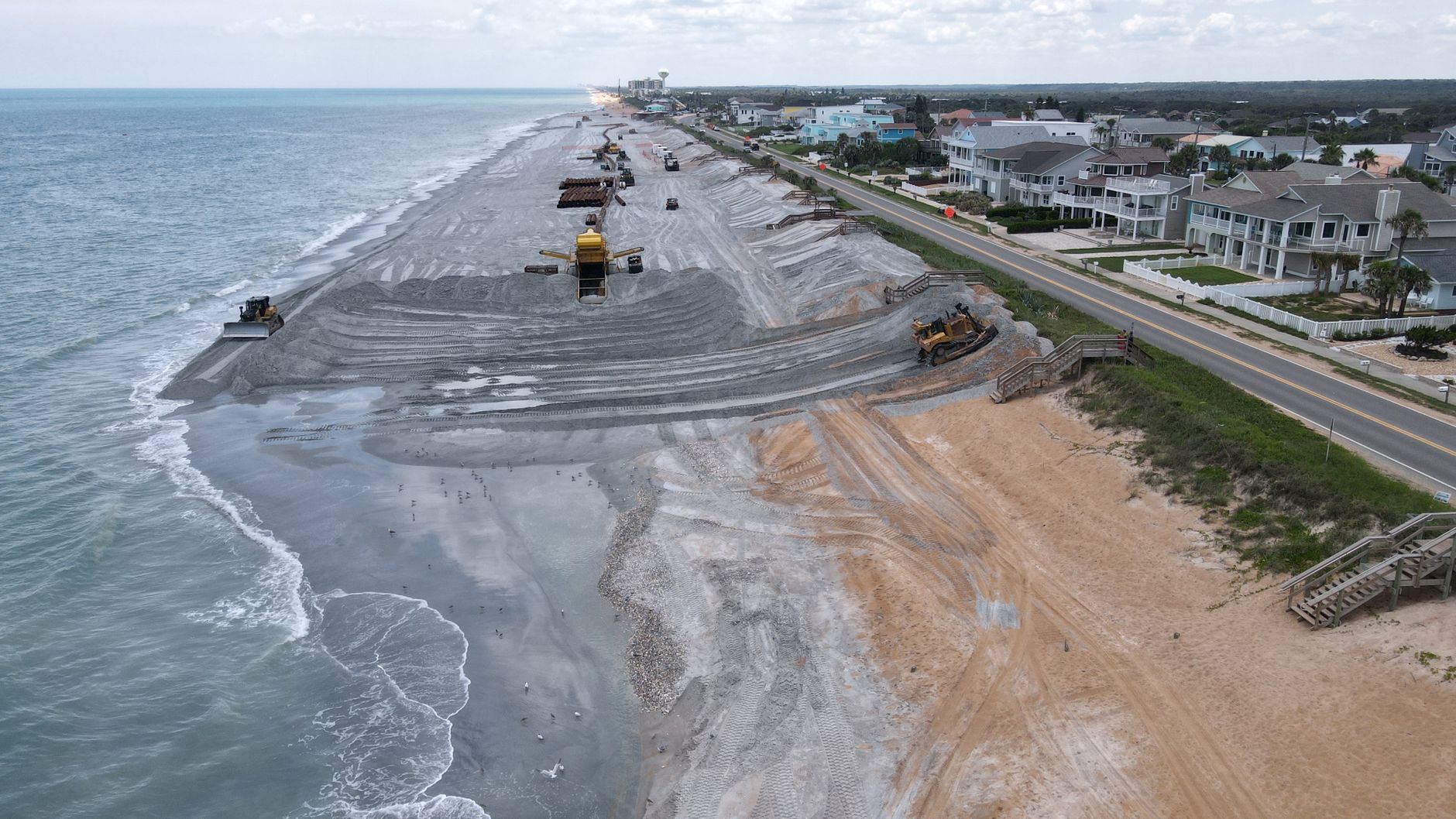
The City of Half Moon Bay lies entirely within the coastal zone. That one fact drives almost every conversation an owner or contractor will have with the planning counter about construction.
Half Moon Bay's homes, from the record
| Built | Homes |
|---|---|
| before 1940 | 253 |
| 1940-1959 | 347 |
| 1960-1979 | 1,946 |
| 1980-1999 | 1,855 |
| 2000 or later | 701 |
| Single-family homes | 4,280 |
|---|---|
| Median lot | 6,710 sq ft |
| On an acre or more | 61 |
| Median size | 1,970 sq ft |
5,102 of 5,942 parcels in this market's record have a known build year.
What is a Coastal Development Permit?
A Coastal Development Permit (CDP) is a state-required approval that sits alongside — and does not replace — any city building permit. A CDP is separate from, and in addition to, other city or county permits that may be required. Obtaining a CDP involves a separate permitting process designed to ensure that development along the coast occurs in a way that conserves, sustains, and makes prudent use of California's natural and recreational coastal resources.
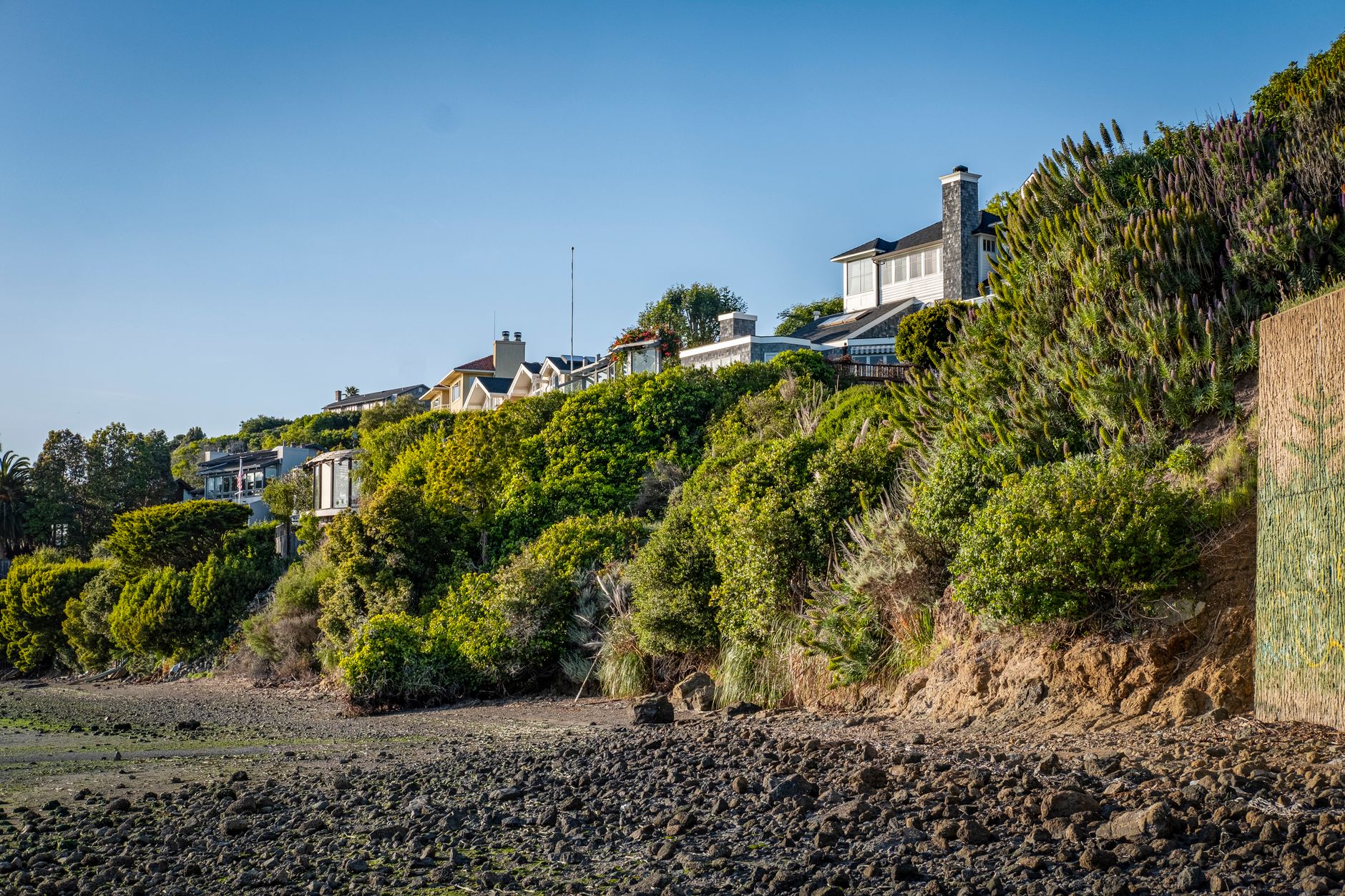
The requirement flows from the California Coastal Act of 1976. In 1976, the California Legislature enacted the Coastal Act, which created a mandate for coastal counties to manage the conservation and development of coastal resources through a comprehensive planning and regulatory program called the Local Coastal Program.
What counts as "development" under the Coastal Act?
The Coastal Act defines development broadly — far more broadly than most owners expect. "Development" means, on land, in or under water, the placement or erection of any solid material or structure; discharge or disposal of any dredged material or of any gaseous, liquid, solid, or thermal waste; grading, removing, dredging, mining, or extraction of any materials; change in the density or intensity of use of land, including subdivision and lot splits; change in the intensity of use of water, or of access thereto; construction, reconstruction, demolition, or alteration of the size of any structure, including any facility of any private, public, or municipal utility. (California Public Resources Code § 30106.)
In plain terms: a new house, an addition, a deck, a grading project, a lot split, and even a change in how a property is used can each qualify as "development" requiring a CDP. Development within the coastal zone generally may not commence until a coastal development permit has been issued by either the Commission or a local government. The Coastal Act defines development broadly (with a few narrow exceptions), to include not only typical land development activities such as construction of buildings, but also changes in the intensity of use of land or water, even where no construction is involved.
Some categories of work are exempt — routine repair and maintenance that does not enlarge or expand a structure is one example — but the determination of whether an exemption applies is made by the planning department, not the owner. When in doubt, ask before you break ground.
Who issues the permit in Half Moon Bay?
The answer depends on whether the city has a certified Local Coastal Program (LCP), and Half Moon Bay does. Half Moon Bay's Local Coastal Plan and the Zoning Ordinance together constitute the "Local Coastal Program" (LCP) for the City of Half Moon Bay's coastal zone. The primary goal of the LCP is to ensure that the local government's land use plans, zoning ordinances, zoning maps, and implemented actions meet the requirements of, and implement the provisions and policies of the Coastal Act at the local level.
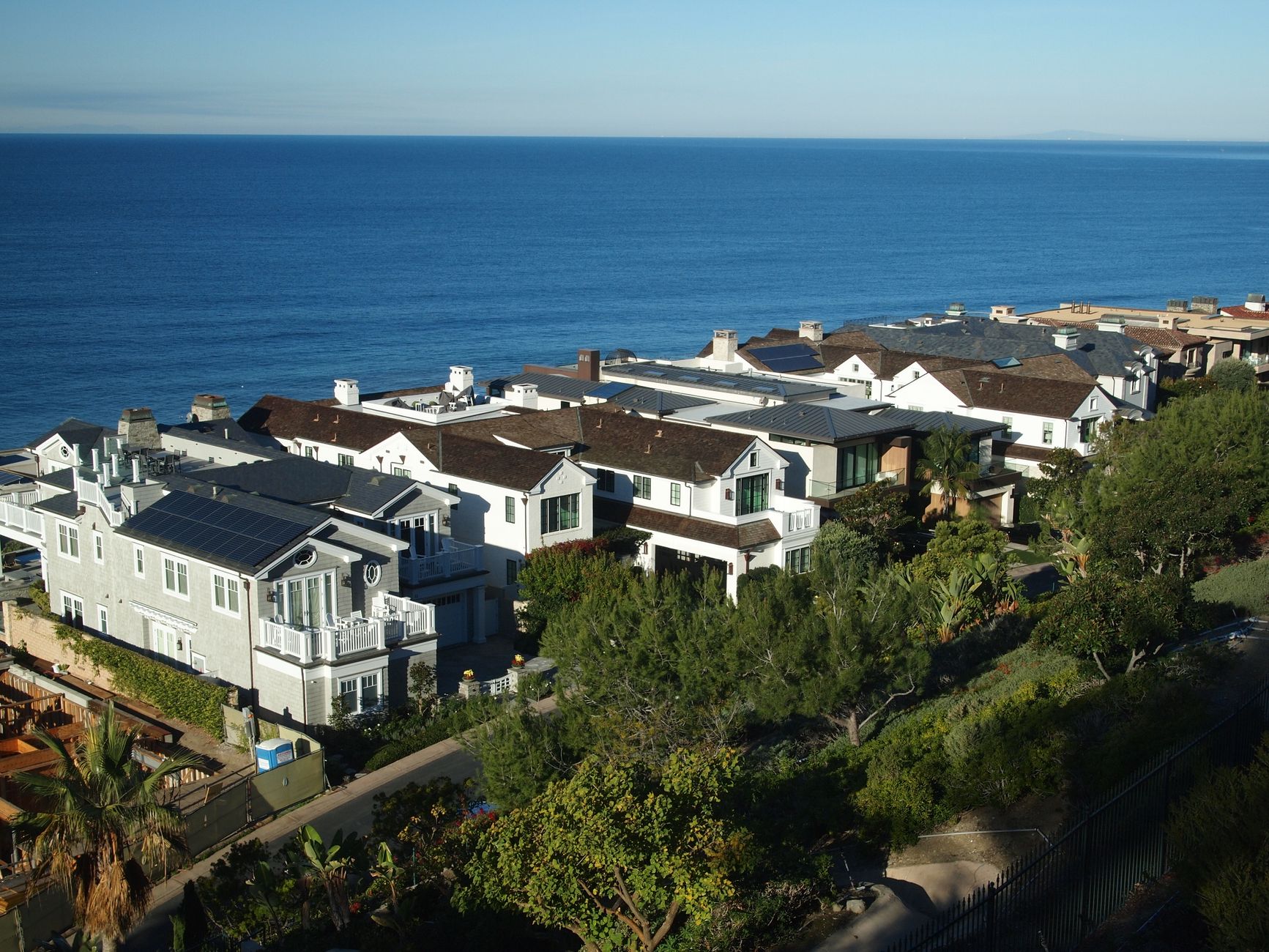
The Half Moon Bay LCP was effectively certified in April of 1996. That certification matters because it shifts day-to-day permitting authority to city hall. After the Commission certifies a Local Coastal Program, most coastal development permit authority is delegated and coastal development permit applications are then reviewed and acted on by cities and counties.
For most residential and commercial projects in Half Moon Bay, the CDP application goes to the City's Planning Division, not directly to the California Coastal Commission. The City already has coastal development permit authority over this geographic area and continues issuing permits consistent with the local coastal program.
The Coastal Commission's remaining role
Delegation is not total. The Commission has permanent ongoing responsibilities: it retains continuing permit jurisdiction over certain specified lands (such as tidelands and public trust lands), and it has appellate authority over specified categories of development. Certain approvals the city issues can still be appealed to the state Commission by neighbors or other interested parties. Local governments with certified Local Coastal Programs must notify the Coastal Commission of Coastal Development Permits issued under their LCP and must indicate whether the permit is potentially appealable to the Commission.
Projects on or near tidelands, public trust lands, or in areas designated as appeal jurisdiction require closer attention. A licensed professional or the city's Planning Division can tell you whether your specific parcel falls in an appealable category.
How a CDP application works in practice
The CDP process runs through the City of Half Moon Bay Planning Division. Applications are submitted to the Planning Division at City Hall during regular business hours. Any development requires compliance with the Development Standards of the underlying Zoning District, Zoning Code (Title 18 of the Municipal Code), the Local Coastal Program/General Plan, Subdivision Map Act, and the California Environmental Quality Act (CEQA).
A few practical points:
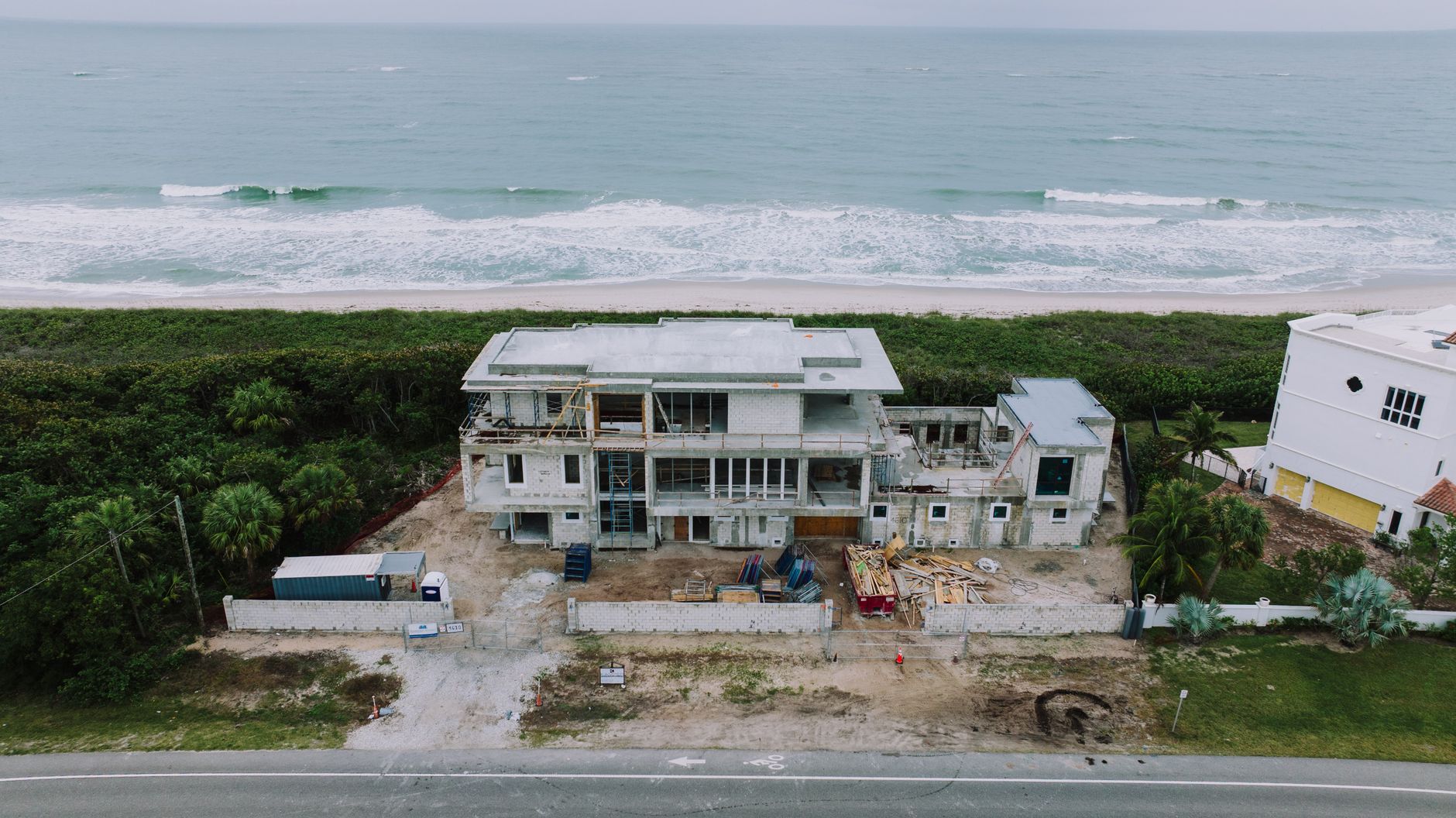
- The CDP must be secured before a building permit issues, not after.
- Previously issued CDPs may have terms or conditions attached, which are designed to minimize damage to coastal resources and maximize public coastal access. If your parcel was developed under a prior CDP, those conditions may still bind you.
- After-the-fact permits — work done without a required CDP — carry significantly higher fees and enforcement risk under the Coastal Act. Building first and asking forgiveness later is not a workable strategy here.
- Projects reviewed through a CDP application should address sea level rise in the hazards analysis if locations will be subject to inundation, flooding, wave impacts, erosion, or saltwater intrusion. Given Half Moon Bay's coastal exposure, this applies to a meaningful share of local parcels.
Where to check
- City of Half Moon Bay Planning Division — Permits and CDP: The city's planning counter; first stop for any CDP question, including what is and is not exempt. Planning is reachable at 650-726-8270, City Hall, 501 Main Street.
- California Coastal Commission — CDP Application and Appeal Forms: State-level forms, process overview, and guidance on when the Commission (rather than the city) is the permitting authority.
- California Public Resources Code § 30106 — Definition of Development: The statutory definition of what triggers a CDP requirement.
- California Coastal Commission — LCP Information: Background on how Local Coastal Programs work statewide and what certification means for local permit authority.
- California Coastal Act (2026 edition): The full statute; relevant for understanding appeal rights and the Commission's retained jurisdiction.
Tim McMullen · CA DRE #02016832
[email protected] · (415) 691-9272
- https://www.half-moon-bay.ca.us/392/Planning-Permit-Information
- https://half-moon-bay.ca.us/FAQ.aspx?QID=79
- https://coastal.ca.gov/cdp/cdp-forms.html
- https://leginfo.legislature.ca.gov/faces/codes_displaySection.xhtml?lawCode=PRC§ionNum=30106
- https://www.coastal.ca.gov/coastact.pdf
- https://www.coastal.ca.gov/lcp/lcp-info/
- https://documents.coastal.ca.gov/reports/1998/2/Th8a-2-1998.pdf
- https://documents.coastal.ca.gov/reports/2022/2/F14a/F14a-2-2022-report.pdf
- https://www.coastal.ca.gov/enforcement/cdp_pamphlet.pdf
- https://www.coastal.ca.gov/climate/slr/planning-permitting/
More from Half Moon Bay
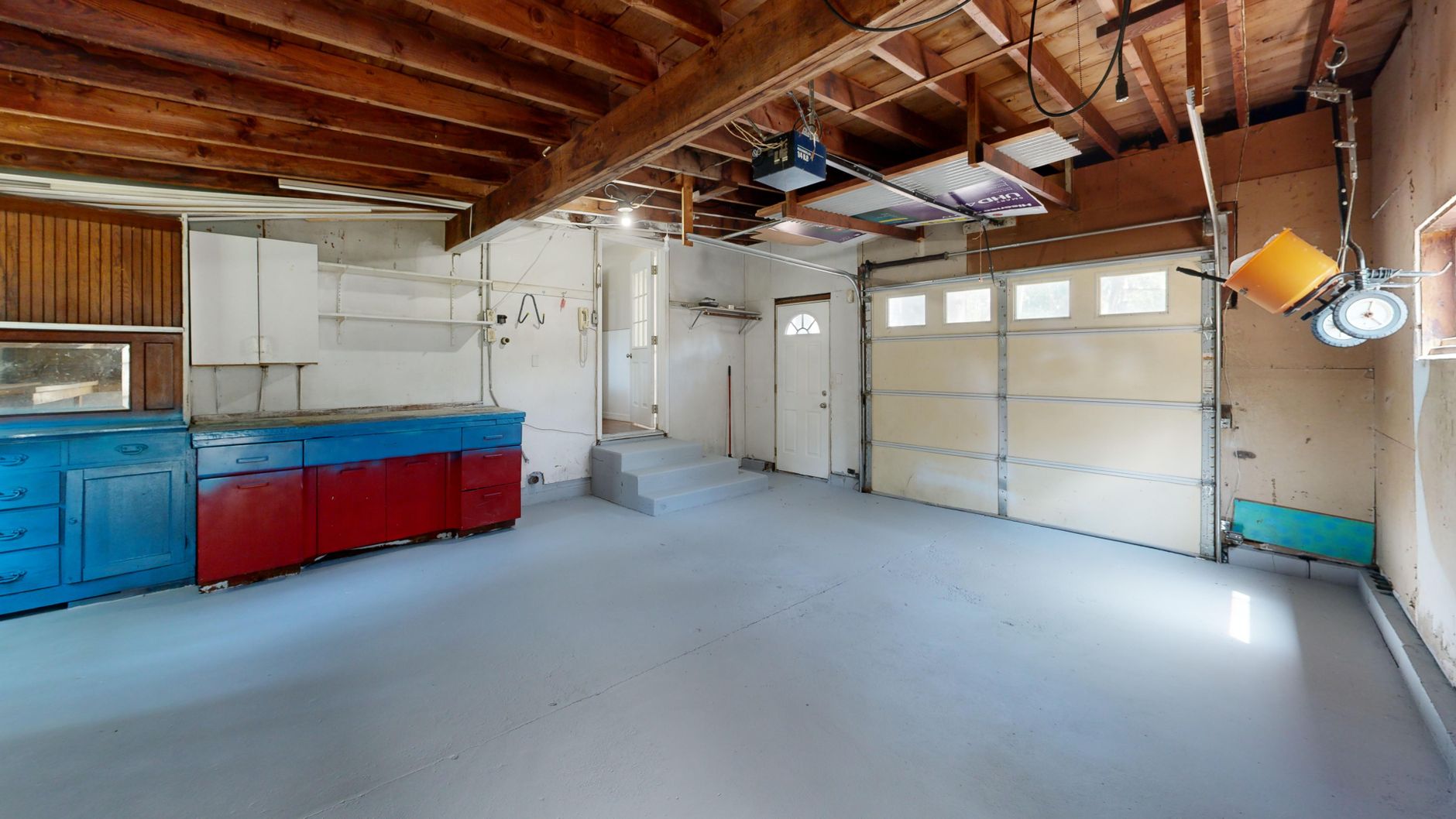
What Half Moon Bay's ADU Rules Actually Allow — and Where State Law Overrides the City
Half Moon Bay has more than 4,200 single-family lots with a median size of 6,710 square feet — enough room for a backyard ADU on most of them. Here is what the rules allow, where the city's own ordinance ran into state compliance problems, and what that means if you are planning to build one.
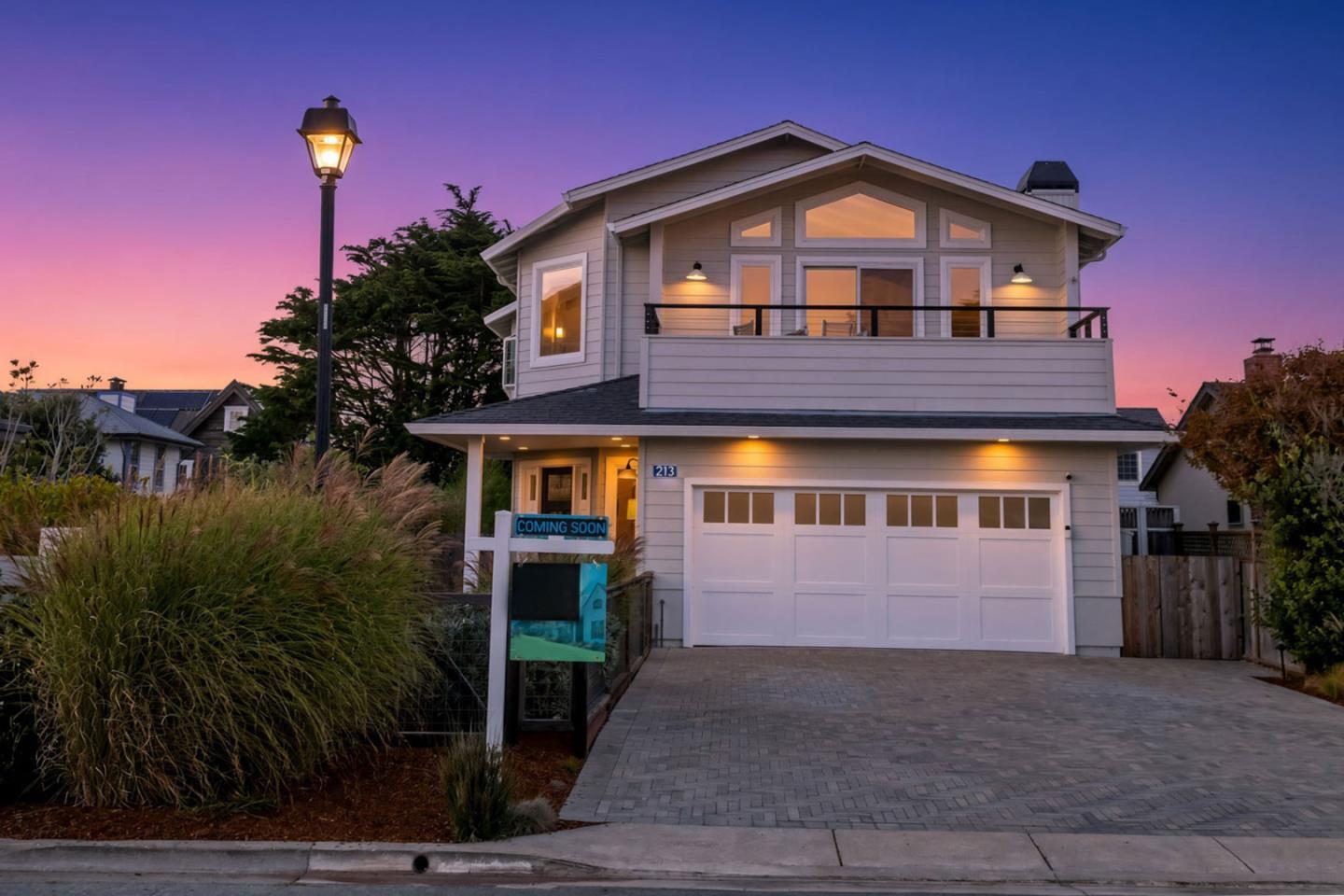
A $3.5 Million Myrtle Street Listing Is the Only Move in Half Moon Bay on September 26
A single-family home at 213 Myrtle Street appeared on the MLS feed on September 26 at $3,499,000. Nothing closed, nothing went pending.
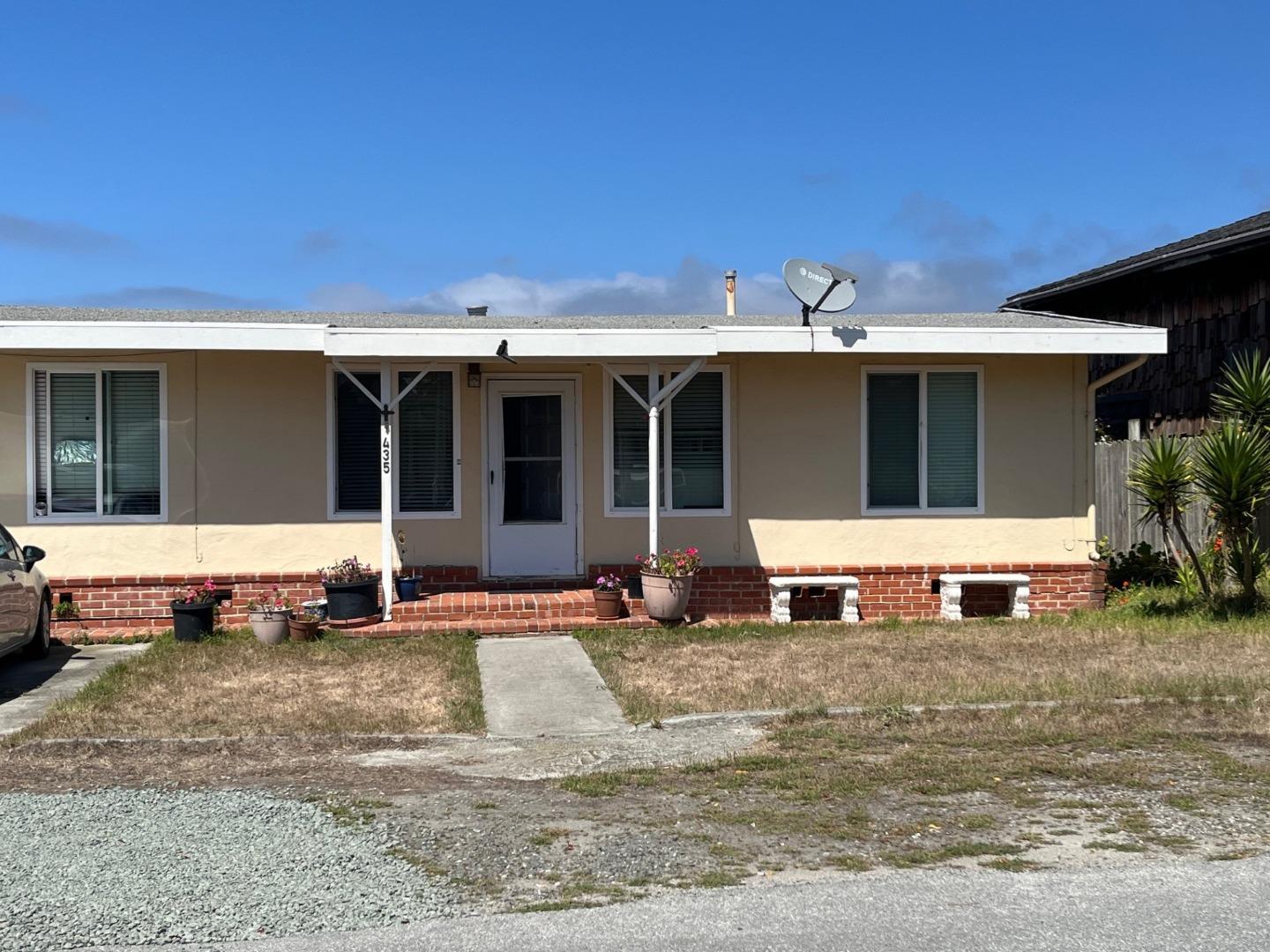
Where the Half Moon Bay Market Stands This Week
Two of the three homes that closed this week recorded on or above asking. The third sold 9 percent under. Eight listings are still looking for buyers.