What a Fall Roof Check Actually Looks For in Half Moon Bay
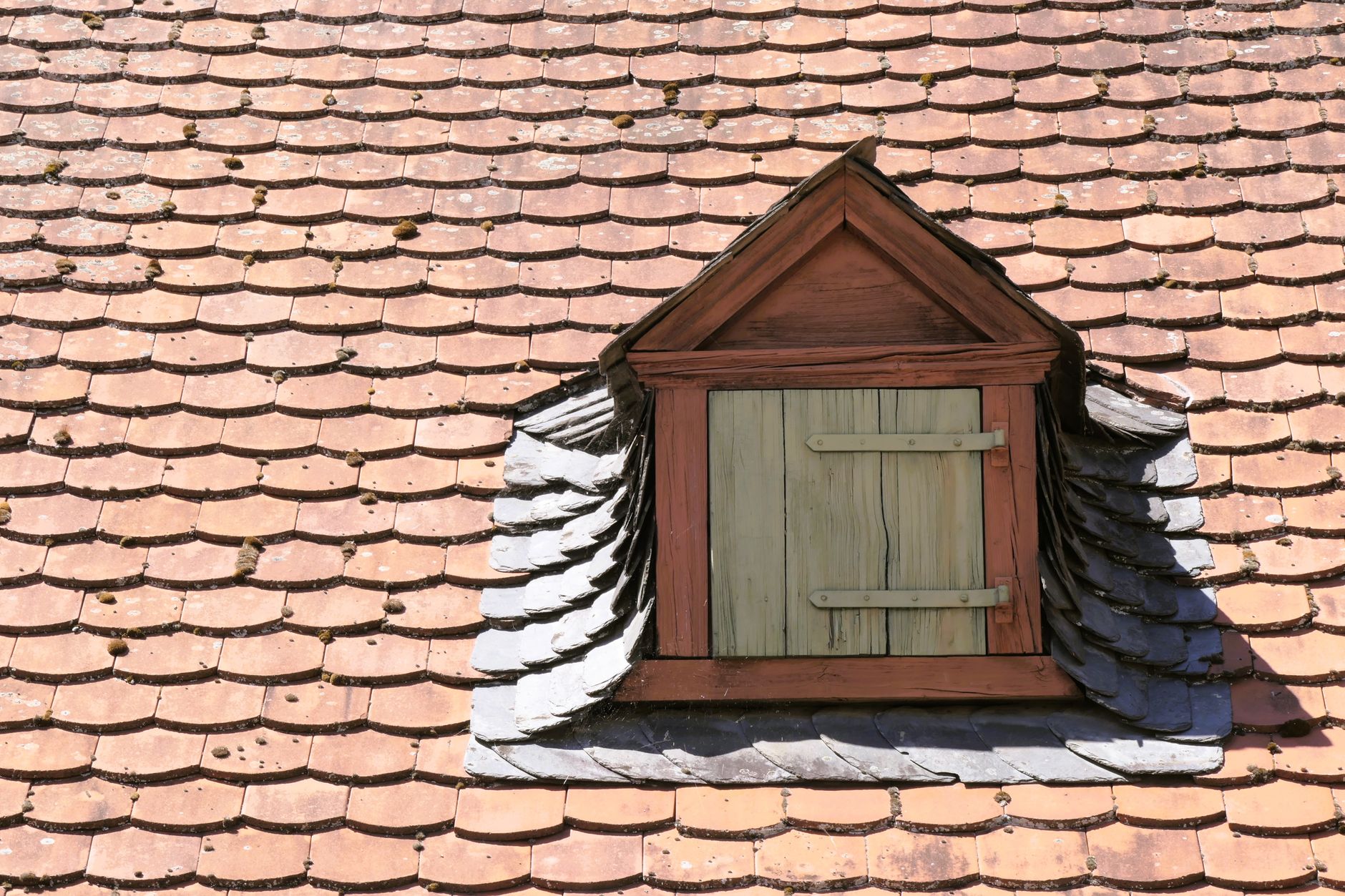
The local context first
Of the roughly 5,100 parcels in this market's record with a known build year, about 2,500 were built before 1980. The median year built lands right at 1980. That matters for roofing because the materials common in the 1960s and 1970s—three-tab asphalt shingles, built-up tar-and-gravel on low slopes, and early wood shakes—are well past any reasonable service life if they've never been replaced. Half Moon Bay adds its own layer: the coast keeps things damp, salt air is hard on fasteners and sealants, and marine fog sits on north- and west-facing slopes for hours at a stretch. A roof that would last 30 years inland may look considerably older here.
Fall is the right moment because the rainy season arrives without much warning, and finding a problem in October is far better than finding it in January.
Half Moon Bay's homes, from the record
| Built | Homes |
|---|---|
| before 1940 | 253 |
| 1940-1959 | 347 |
| 1960-1979 | 1,946 |
| 1980-1999 | 1,855 |
| 2000 or later | 701 |
| Single-family homes | 4,280 |
|---|---|
| Median lot | 6,710 sq ft |
| On an acre or more | 61 |
| Median size | 1,970 sq ft |
5,102 of 5,942 parcels in this market's record have a known build year.
What you can see from the ground
You do not need to go on the roof yourself to get a useful picture. Stand back at the street and at each side of the house with binoculars if you have them.
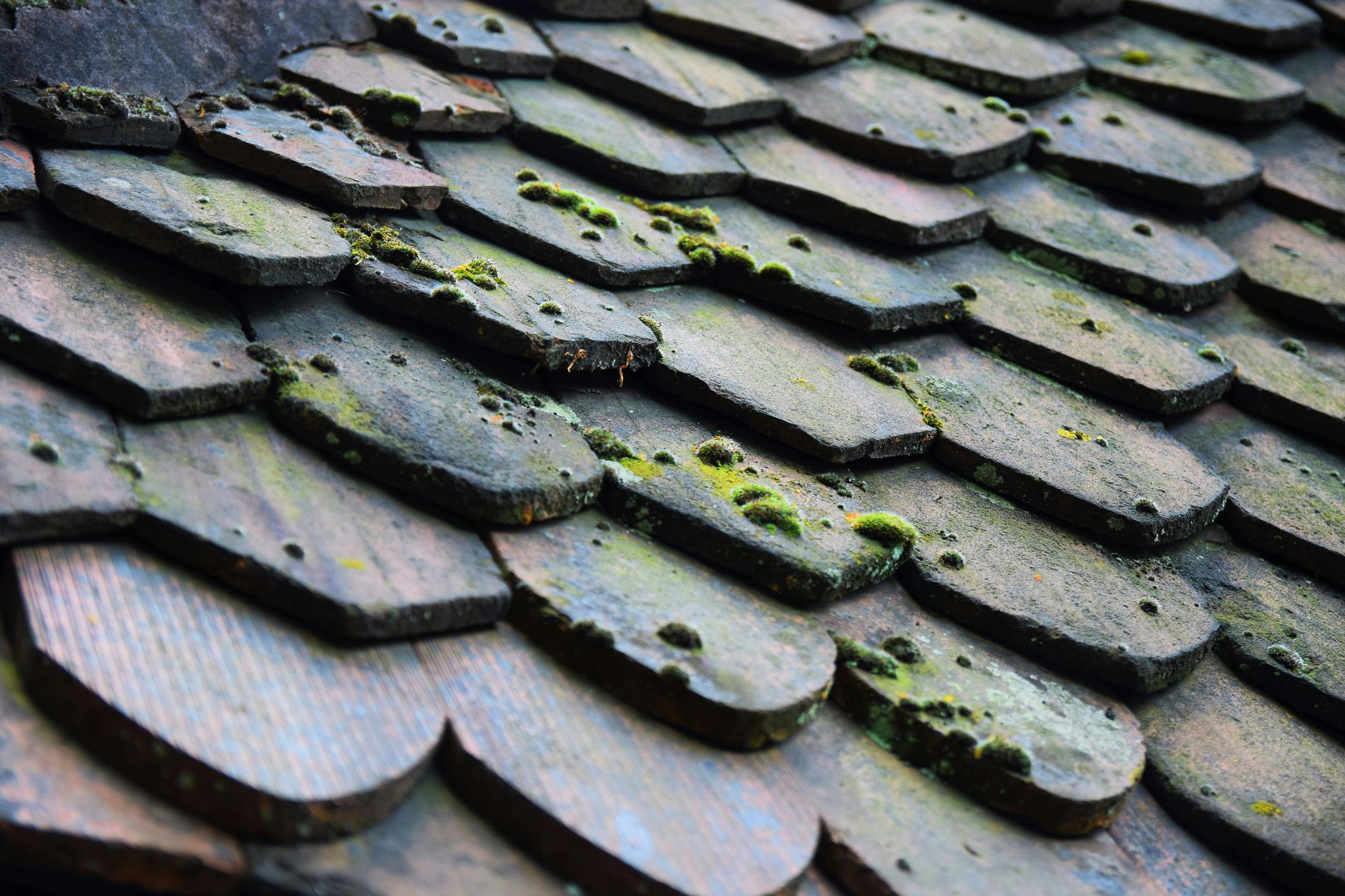
Shingle condition on the slopes. On an asphalt roof, look for shingles that appear cupped, curled at the edges, or visibly missing granules (the surface looks blotchy or dark in patches). Wood shakes common on 1970s Half Moon Bay homes tend to split, crack, or develop a thick moss layer that holds moisture and accelerates rot. Any shingles that are buckled or lifting at their edges are worth a closer look.
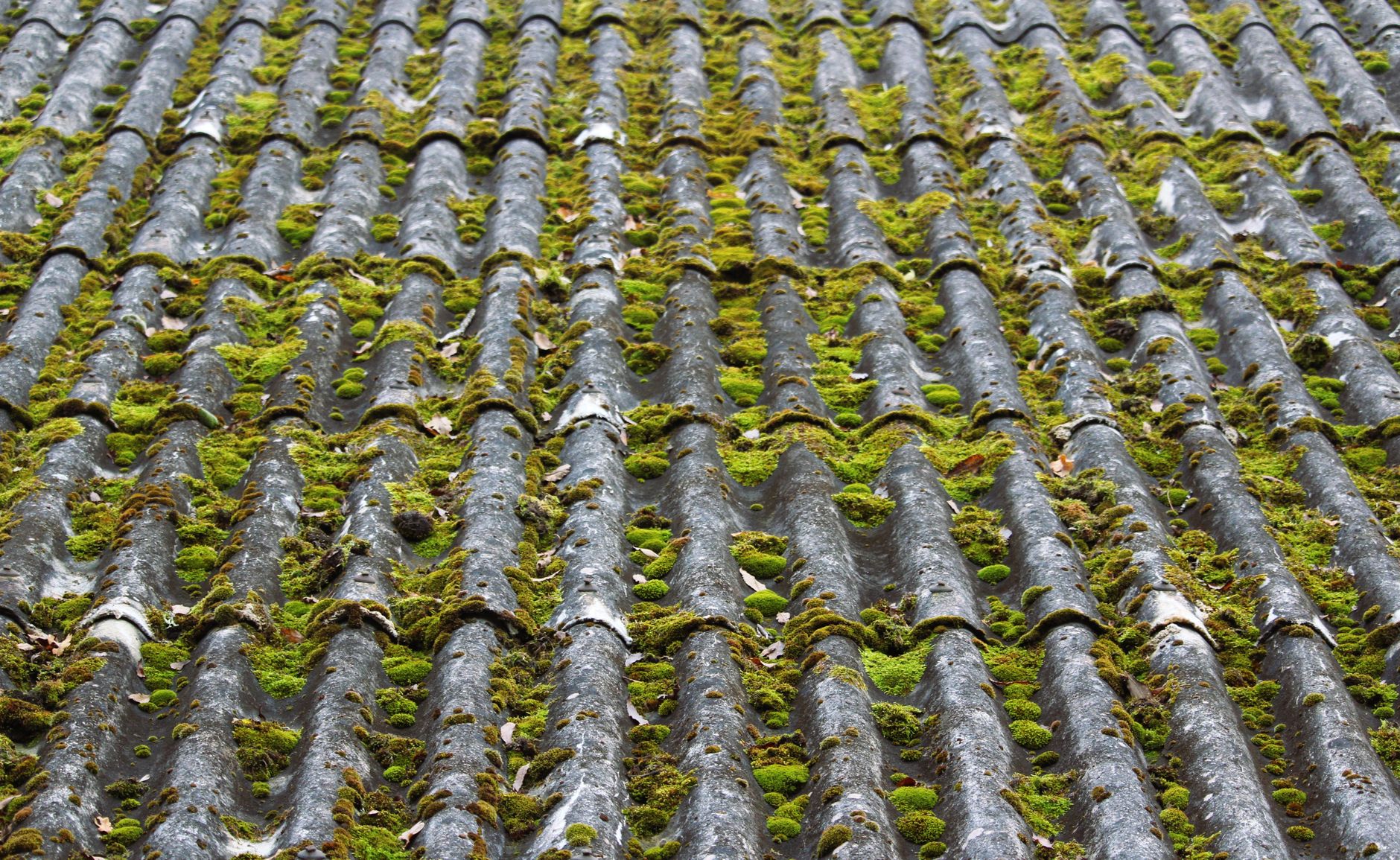
Moss and algae. This is the coastal issue that catches owners off guard. A thin green or black film seems harmless, but moss holds water against the surface and works under shingle tabs over time. North-facing slopes and any area shaded by mature cypress or eucalyptus—common in the older neighborhoods west of Highway 1—are the places to look first.
Valleys. These are the V-shaped channels where two roof planes meet and shed the most water per square foot. Look for metal flashing that is lifting, buckling, or showing visible rust. On older homes, valleys were sometimes done with woven shingles and no metal at all; that approach has a shorter life on a wet coast.
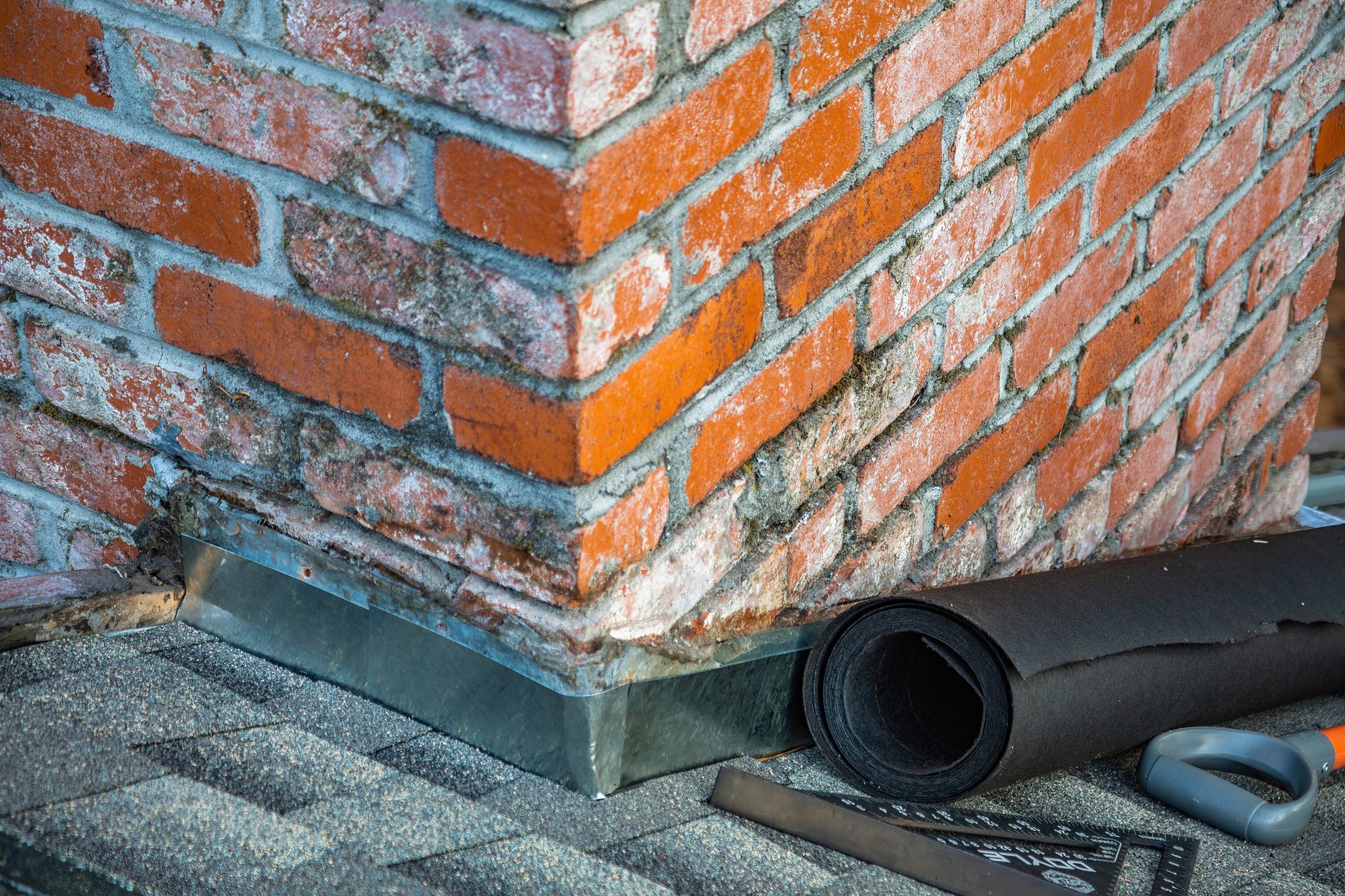
Flashing at penetrations. Every place something comes through the roof—a chimney, a plumbing vent, a skylight—has flashing around its base. From the ground, look for gaps, lifted edges, or visible rust streaks running down from those points. Chimney flashing on homes from the 1950s and 1960s is often the first thing to fail, and it's a common source of attic leaks that owners don't trace for years.
The ridgeline. The ridge cap runs along the peak of the roof. It should look straight and continuous. A ridge that sags, dips, or shows missing cap pieces can indicate something structural or simply that the ridge material has dried out and cracked.
Gutters and eaves. While you're there, look at whether the gutters are pulling away from the fascia. That gap lets water run behind the gutter and into the rafter tails—a slow rot problem that's endemic to older coastal homes with original wood fascia.
Inside the attic: the view most owners skip
A 15-minute attic walk-through on a dry afternoon tells you more than an hour on the ground. Bring a flashlight and look at the roof decking from below. Dark staining, soft spots, or visible daylight around penetrations all indicate water has been getting in. Fresh staining after a late-season rain is the clearest signal a roofer needs.
When to call a licensed roofing contractor
Some of what you find from the ground or the attic is worth monitoring. Some of it requires a professional. Call a licensed contractor when:
- You see daylight, active staining, or soft decking in the attic
- Flashing at a chimney or skylight is visibly lifted or separated
- Shingles are missing, not just worn
- The ridge line has a visible dip or sag
- Moss is thick enough to grab with your hand
A roofing contractor can walk the surface safely and give you a condition report. If the house is older—say a 1965 or 1972 build that still has original roofing—that report is worth having before the contractor discusses any work, because the scope could range from spot repairs to a full replacement depending on what the decking looks like.
For anything that involves structural questions—a sagging ridge, rafter damage—a licensed general contractor or structural engineer is the right call, not just a roofer.
The era-specific notes
Pre-1960 homes (about 253 parcels in this record): These often have multiple roof layers from past re-roofs, which adds weight and hides the condition of the original decking. Worth confirming with a contractor how many layers are present.
1960s–1970s builds (roughly 2,300 parcels): The largest cohort. Three-tab shingles and wood shakes from this era are genuinely at end of life. Flat or low-slope sections sometimes have original built-up roofing that is brittle and prone to pooling.
1980s–1990s builds (about 1,855 parcels): Architectural shingles became common here, with longer rated lifespans—but coastal exposure shortens that in practice. Flashing and sealants from this period need checking even if the field shingles look acceptable.
2000s and newer (701 parcels): Generally in better shape, but penetration flashing and ridge venting systems still deserve a look, especially if the house has added solar panels or a new HVAC penetration since original construction.
Tim McMullen · CA DRE #02016832
[email protected] · (415) 691-9272
More from Half Moon Bay
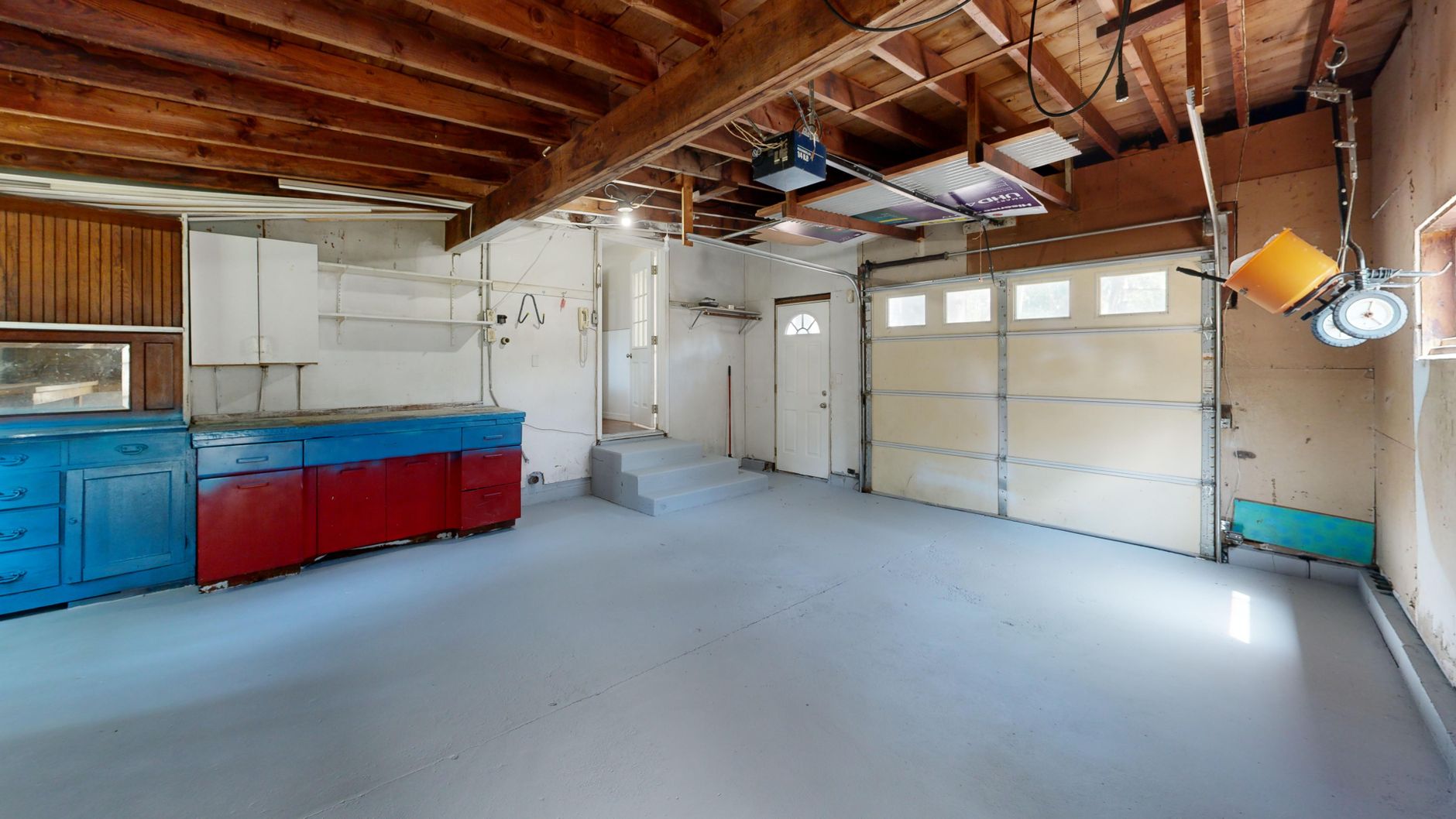
What Half Moon Bay's ADU Rules Actually Allow — and Where State Law Overrides the City
Half Moon Bay has more than 4,200 single-family lots with a median size of 6,710 square feet — enough room for a backyard ADU on most of them. Here is what the rules allow, where the city's own ordinance ran into state compliance problems, and what that means if you are planning to build one.
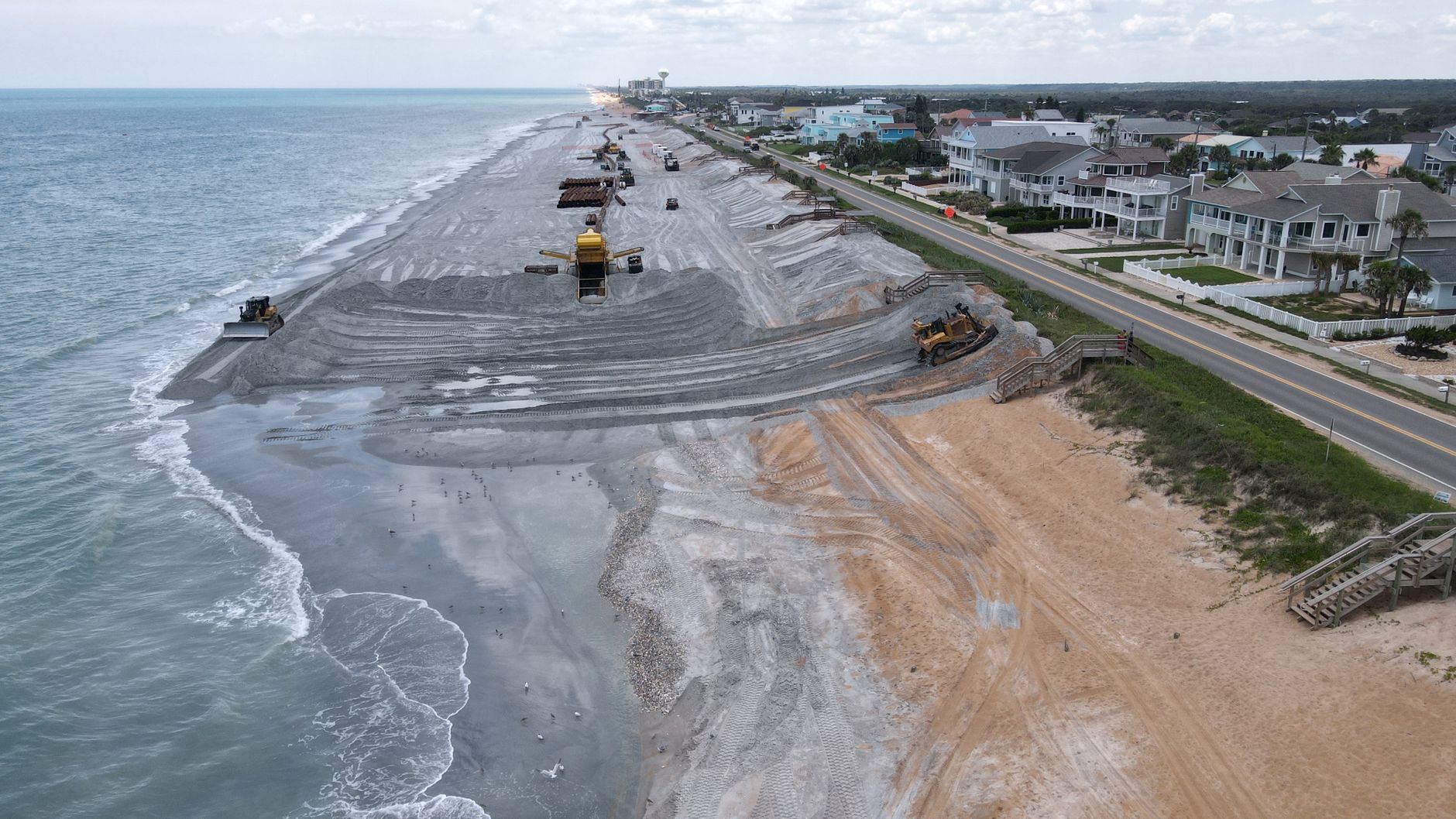
The Permit Before the Permit: Coastal Development in Half Moon Bay
Half Moon Bay sits entirely within California's coastal zone, which means most physical changes to land or structures trigger a Coastal Development Permit before a building permit can issue. Here is how that process works and who runs it.
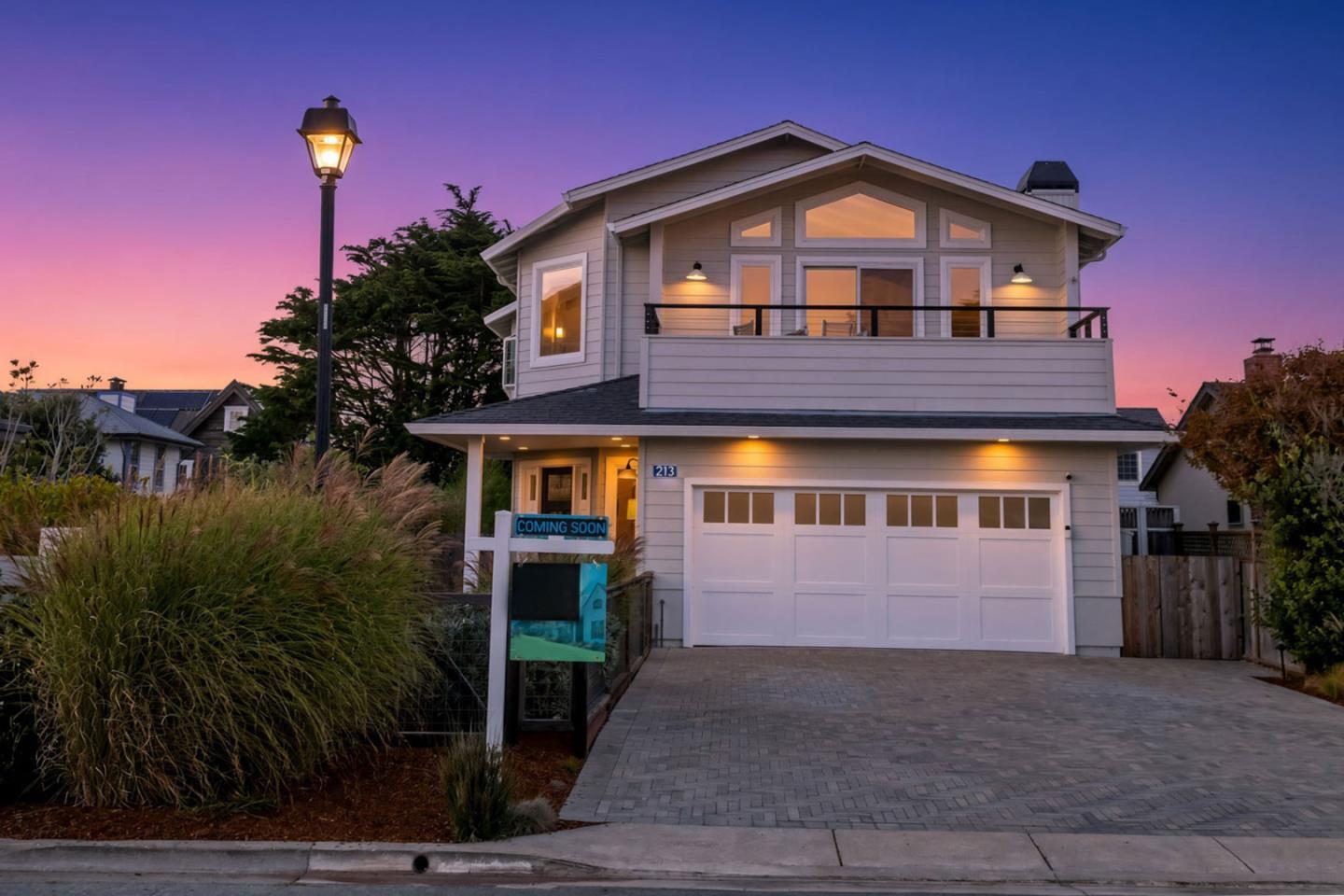
A $3.5 Million Myrtle Street Listing Is the Only Move in Half Moon Bay on September 26
A single-family home at 213 Myrtle Street appeared on the MLS feed on September 26 at $3,499,000. Nothing closed, nothing went pending.