Half Moon Bay's Typlical Home Was Built in 1980 — When Did Your Furnace Last Get Checked?
Why this matters in Half Moon Bay
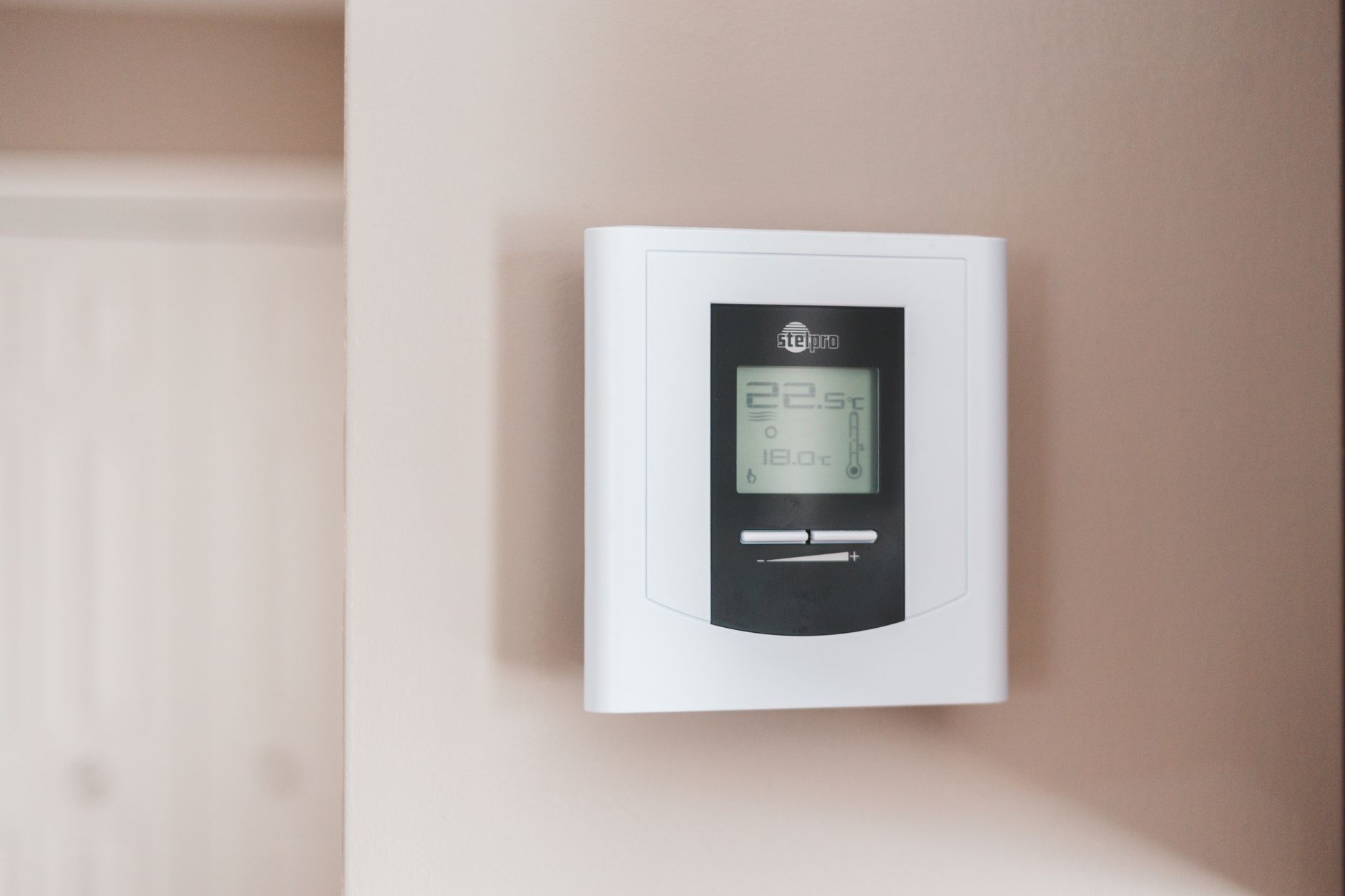
Of the 5,102 parcels in this market's record with a known build year, 2,546 were built before 1980. The median year built across the whole record is 1980. That is not ancient, but it is old enough that original furnaces have long since been replaced and their replacements may themselves be aging. Add the coast's persistent dampness and the way Half Moon Bay winters arrive gradually rather than dramatically, and it is easy to let heating maintenance slide until the first genuinely cold night — which is exactly the wrong time to find out your system has a problem.
Half Moon Bay's homes, from the record
| Built | Homes |
|---|---|
| before 1940 | 253 |
| 1940-1959 | 347 |
| 1960-1979 | 1,946 |
| 1980-1999 | 1,855 |
| 2000 or later | 701 |
| Single-family homes | 4,280 |
|---|---|
| Median lot | 6,710 sq ft |
| On an acre or more | 61 |
| Median size | 1,970 sq ft |
5,102 of 5,942 parcels in this market's record have a known build year.
What a service visit actually covers
A licensed HVAC technician running an annual tune-up on a forced-air furnace will typically do a few things:
- Inspect the heat exchanger for cracks or corrosion. This is the most consequential check on a gas furnace because a cracked exchanger can allow combustion gases into the living space.
- Test ignition components, burners and flame sensors.
- Check the flue and venting for blockage or deterioration.
- Measure temperature rise and compare it to the unit's rated range.
- Inspect the blower motor and belt if present.
- Look at the filter and note its condition.
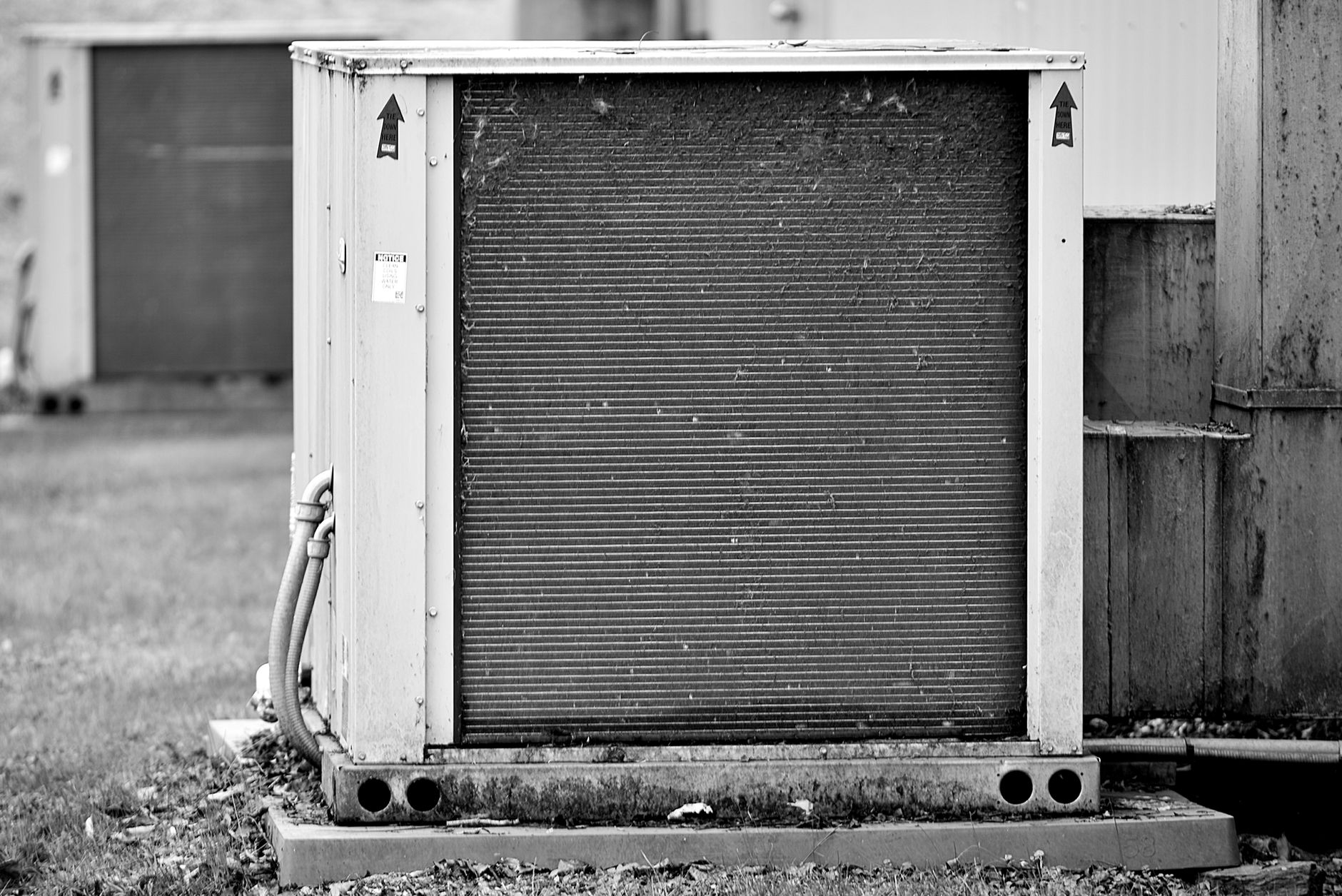
For a heat pump, the checklist shifts. The technician will check refrigerant charge, inspect the coils (both indoor and outdoor), test the reversing valve, verify defrost operation, and look at the electrical connections and capacitors. Heat pumps have fewer combustion-related risks but they do have refrigerant systems that degrade quietly.
What a service visit does not cover: it is not a duct inspection, not an air-quality test, and not a carbon monoxide survey of the whole house. Those are separate scopes of work, often done by different people.
Filters: the part owners control themselves
The technician will note the filter, but changing it is something you handle on your own schedule. In Half Moon Bay's climate — relatively mild, often damp, sometimes dusty from the coastal scrub — filters in systems that run year-round (heat pumps especially) load up faster than owners expect. A clogged filter restricts airflow, which makes any system work harder and, on a heat pump, can cause the unit to trip on a high-pressure fault before you know anything is wrong.
Check the filter before the technician arrives so you know what you're looking at. Replace it if it's gray and matted. Note the size printed on the frame so you can keep spares on hand.
The carbon monoxide question
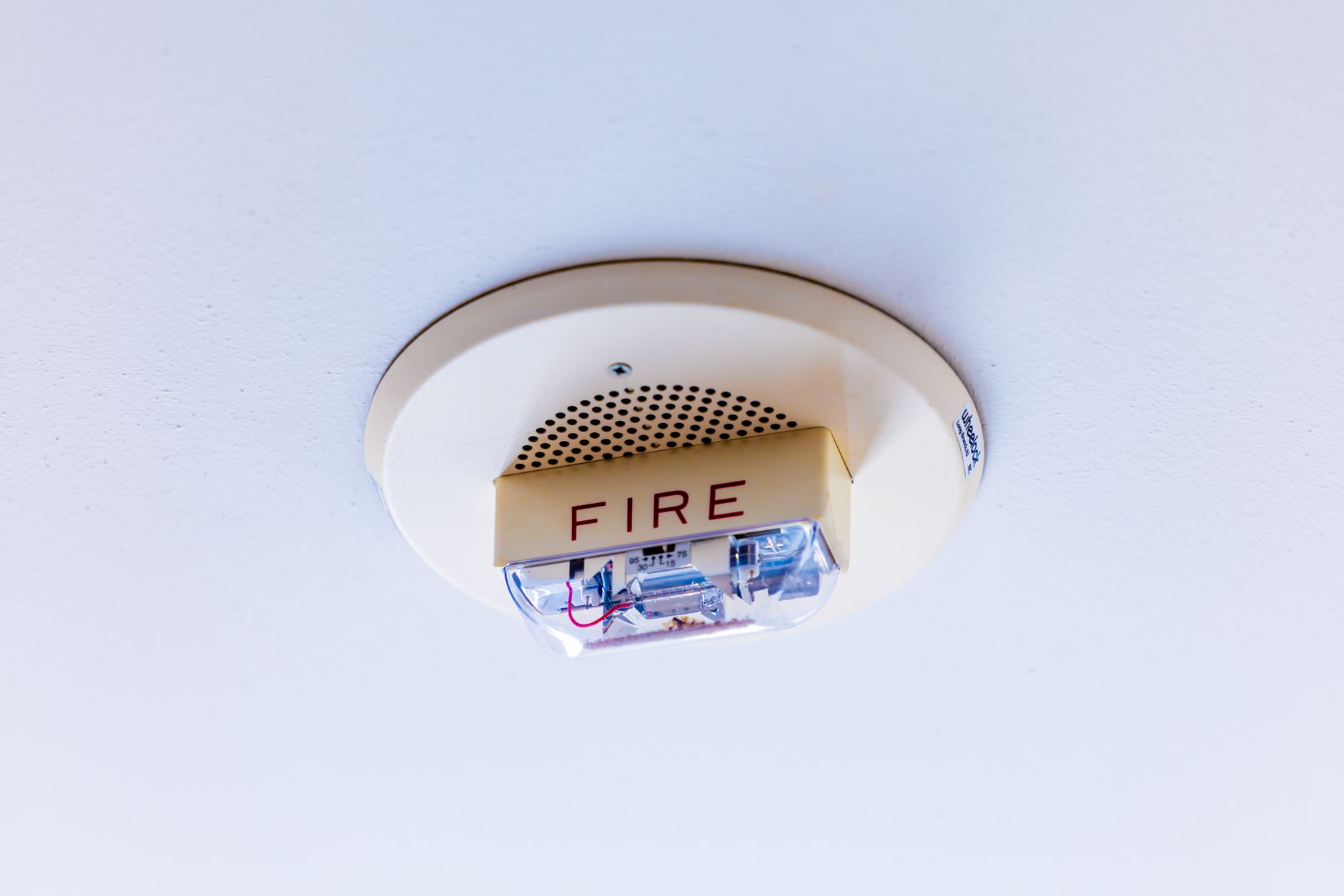
Carbon monoxide is produced by incomplete combustion in gas appliances — furnaces, water heaters, ranges and fireplaces. A cracked heat exchanger is the furnace-specific concern, but CO can also enter a home through back-drafting on a water heater flue or a blocked fireplace chimney.
California state law requires CO alarms in most residential dwellings. The specifics of what is required and where alarms must be placed are a matter for the California State Building Code and, for any permitted work, the City of Half Moon Bay's building department. If you are unsure whether your home's alarms meet current requirements, the building department is the right place to ask — not a technician, and not this article.
What is not in dispute: CO alarms have a service life. Most manufacturers rate them at five to seven years. If yours are older than that, check the manufacturer's date on the back and replace them if warranted. A functioning alarm is a separate layer of protection from a well-maintained furnace; you want both.
Scheduling in October specifically
HVAC companies in the Bay Area get busy once night temperatures drop and calls start coming in. Scheduling in October — before the first cold snap triggers everyone else to call — generally means more flexibility on appointment times and less pressure on the technician to rush. It also means that if the service visit turns up a part that needs replacing, there is time to order it without leaving you without heat.
For homes in this market with original or early-replacement ductwork — common in houses from the 1960s and 1970s — it is worth asking the technician to note any obvious duct deterioration while they are in the attic or crawlspace. That is observational, not a formal duct test, but it can tell you whether a separate inspection is worth scheduling.
Where to check
- City of Half Moon Bay Building Department — permits, inspections and local code requirements for HVAC work
- California Energy Commission – Appliance Efficiency — state standards for heating equipment
- California Air Resources Board – Indoor Air Quality — background on combustion appliances and CO
- California Building Standards Commission — state building code, including CO alarm requirements
Tim McMullen · CA DRE #02016832
[email protected] · (415) 691-9272
More from Half Moon Bay
Three Half Moon Bay homes listed October 1 — all under the 180-day median
All three new listings are single-family homes priced between $1.325 million and $1.799 million. Nothing went pending and nothing closed.
Half Moon Bay Q3 2026: 24 Closings, $44.6M in Volume, and a 1,120-Square-Foot Home That Fetched $2,232 per Foot
Twenty-four MLS closings between July and September 2026 produced a quarter-point spread from $853,000 to $3,935,000. The standout transaction was a 1960-built cottage on Railroad Avenue that closed at $2.5 million — $2,232 per square foot — while larger homes nearby moved at a third of that rate.
Half Moon Bay's flood zone can change block by block — here is how to find yours
More than 2,500 homes in this parcel record were built before 1980 — before modern flood-mapping standards existed. Here is how to find your zone, read what it requires, and understand what an elevation certificate does and does not do for you.