Canada Cove buyers own the home but not the ground — here is what that means
The land question that defines everything
Half Moon Bay's parcel record counts 292 mobile homes across the city — a significant share of the housing stock relative to the town's size. Nearly all of them sit at Canada Cove on Miramontes Point Road. Understanding what you actually own there, and what you are renting, is the first thing any buyer or current resident needs to get straight.
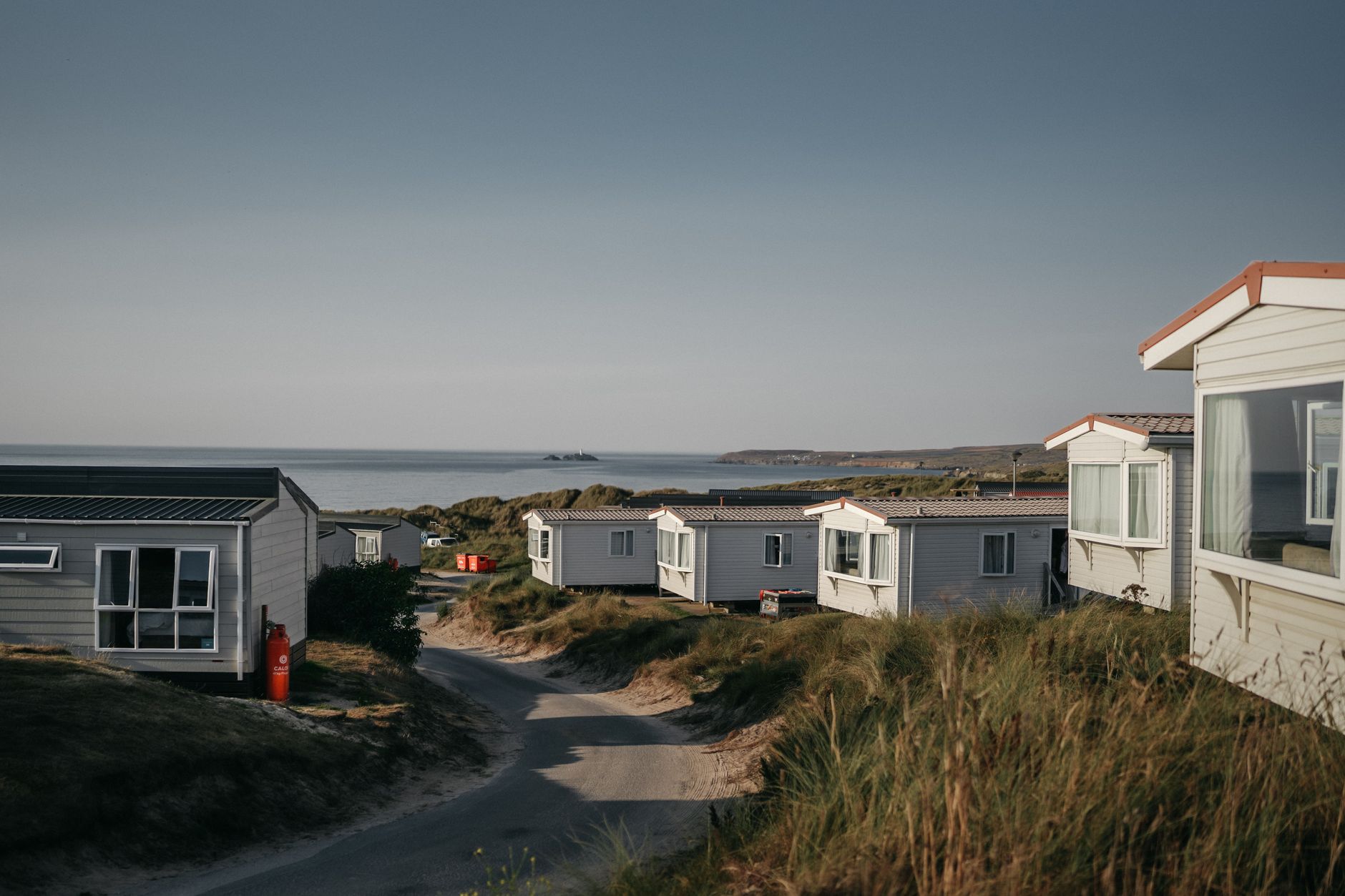
Canada Cove is a 55-acre mobile home park in south Half Moon Bay, west of Highway 1, and contains 360 mobile home spaces along with an office, swimming pool, and storage buildings. The city granted a use permit for the park in 1969. Residents own their home — the physical structure sitting on the pad — but they do not own the ground underneath it. That land belongs to the park owner, and residents pay space rent for the right to keep their home there.
The city's Land Use Plan explicitly designates the site as Mobile Home Park, stating that "individual mobile home sites within a park shall not be sold separately." That language, adopted by the Half Moon Bay City Council and accepted by the California Coastal Commission, forecloses the kind of lot-ownership arrangement that exists in a residential subdivision. The park cannot subdivide and sell individual pads to residents without a separate LCP amendment.
Half Moon Bay's homes, from the record
| Built | Homes |
|---|---|
| before 1940 | 253 |
| 1940-1959 | 347 |
| 1960-1979 | 1,946 |
| 1980-1999 | 1,855 |
| 2000 or later | 703 |
| Single-family homes | 4,281 |
|---|---|
| Median lot | 6,710 sq ft |
| On an acre or more | 61 |
| Median size | 1,970 sq ft |
5,104 of 5,943 parcels in this market's record have a known build year.
How the city and Coastal Commission regulate the park
The Coastal Commission certified the city's Local Coastal Program Amendment HMB-MAJ-1-02 in 2007, which added "Mobile Home Park" as a new land use category, established a new Chapter 18.17 in the Half Moon Bay Zoning Code, and changed the LUP and zoning maps to designate Canada Cove under the new Mobile Home Park category and zoning district.
While Canada Cove is not designated as an affordable housing development, the Coastal Commission noted that it provides less expensive housing than most other types of residences in the city, and that the LUP amendment is intended to protect the existing use of the park and reduce the potential for conversion to other types of land uses, such as residential subdivisions.
Any physical development at the park — grading, new structures, significant alterations — requires a coastal development permit from the city, since Half Moon Bay lies wholly within the California Coastal Zone and is responsible for implementing its certified Local Coastal Program. The building department is the right starting point for any resident or owner considering structural work.
Space rent and the city's stabilization ordinance
Half Moon Bay has a rent stabilization ordinance. It limits rent increases above the allowable limit within a 12-month period for certain residential rental units, and is codified in Chapter 6.06, adopted pursuant to the Costa-Hawkins Act and the city's police power authority.
The city calculates the maximum allowable increase as the lesser of 3% or 80% of the percent change in the San Francisco-Oakland-Hayward Consumer Price Index; if the CPI change is negative, no increase is permitted. Half Moon Bay announced that the permissible rent increase would be 1.23% starting December 1, 2025.
Whether Chapter 6.06 specifically covers mobile home space rent at Canada Cove is a question residents should take directly to the city. The California Department of Justice notes that mobilehomes are covered under some but not all local rent stabilization laws, and that many cities and counties maintain separate ordinances for mobilehome park spaces; it advises residents to check with their local government to determine what protections apply. The city's rent stabilization FAQ page at half-moon-bay.ca.us is the place to confirm whether space rent at Canada Cove falls within the ordinance's scope.
What state law requires regardless of local rules
Even when local ordinances are silent or uncertain, California's Mobilehome Residency Law (MRL) — Civil Code §798 et seq. — provides a floor of protections for everyone who owns a home in a park and rents the space beneath it.
Rent increases. Management must give a homeowner written notice of any increase in rent at least 90 days before the date of the increase (Civil Code Section 798.30). No rental or sales agreement may contain a provision by which a purchaser or homeowner waives any rights under the MRL.
New fees. A homeowner shall not be charged a fee for services actually rendered that are not listed in the rental agreement unless given written notice at least 60 days before imposition of the charge (Civil Code §798.32(a)).

What fees are allowed at all. A homeowner shall not be charged a fee for other than rent, utilities, and incidental reasonable charges for services actually rendered (Civil Code §798.31).
Park rules vs. the MRL. The park rental agreement and park rules must be consistent with the MRL. For example, a park rule providing that rent may be increased on 30 days' notice would be in conflict with Civil Code §798.30, which requires 90 days; the MRL prevails over the conflicting park rule.
Annual notice of rights. Management is required to provide a copy of the MRL rights-and-responsibilities notice to all homeowners each year before February 1. If you have not received one, you are entitled to request the full text of the law from management at no charge.
Park closure or conversion. Mobilehome owners have rights in terms of notice requirements under the MRL and potential relocation assistance under the Government Code when a park closes. Given Canada Cove's LCP designation, any change of use would require city and Coastal Commission review — but state law independently provides notice rights regardless of local land-use protections.
How the homes are titled and taxed
Most homes at Canada Cove are not on permanent foundations of the type required to convert them to real property. That matters for how they are assessed.
A manufactured home is subject to local property taxation if sold new on or after July 1, 1980. Under state law, such homes are classified as personal property, but are treated and valued similarly to real property assessed under Proposition 13. The San Mateo County Assessor administers that taxation.
Where the resident owns the mobilehome but not the underlying land, the land is separately assessed to the mobilehome park owner; the homeowner may still claim the homeowners' exemption on the home itself.
If a home has been placed on an approved permanent foundation — with a building permit, recorded affidavit, and certificate of occupancy — four prerequisites under Health and Safety Code §18551 must be met, after which the mobilehome is deemed a fixture or improvement to the real property. That is a meaningful distinction affecting both how the home is titled and how it is sold. Confirm any home's current status with the San Mateo County Assessor's office and, if relevant, the California Department of Housing and Community Development (HCD), which handles registration of homes not converted to real property.
Before you buy
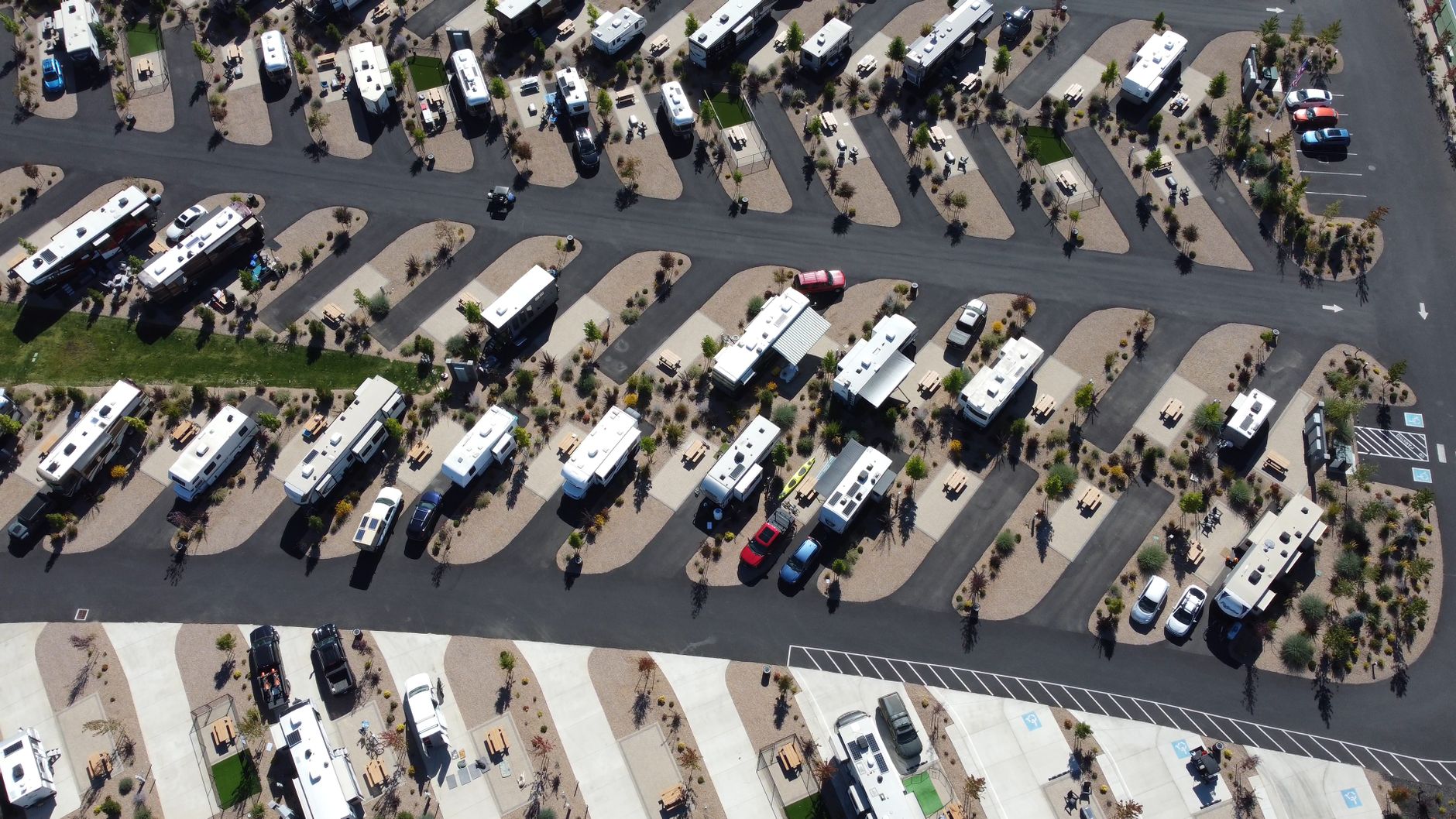
Buyers considering a home at Canada Cove are buying personal property (the home) and acquiring a tenancy (the space). That is a different transaction than buying a house on a lot, and standard residential purchase forms do not always capture the differences cleanly. A few things worth confirming before close:
- The current space rent amount and what, if any, long-term lease is in place
- Whether the existing lease was signed before or after February 13, 2020, which affects how local rent stabilization interacts with its terms under state law
- The home's title status — registered with HCD or converted to real property — and what tax roll it appears on with the San Mateo County Assessor
- Whether any unpaid space rent, fees, or HCD registration fees are outstanding
- The park's current rules and regulations, which management is required to provide
An attorney familiar with mobilehome transactions and a licensed inspector with experience evaluating manufactured housing are the right people to involve before signing anything.
Where to check
- City of Half Moon Bay – Rent Stabilization FAQ: covers the Chapter 6.06 ordinance, what is covered and exempt, the annual CPI-based cap, and the registration fee
- California Senate – 2024 Mobilehome Residency Law (MRL): full text of Civil Code §798 et seq., including notice requirements, fee rules, and FAQ
- California DOJ – Local Rent Stabilization Laws: lists Half Moon Bay's ordinance and current permissible increase; notes which jurisdictions have separate mobilehome space protections
- California Coastal Commission – LCP Amendment HMB-MAJ-1-02 Staff Report: full background on Canada Cove's Mobile Home Park zoning designation and LUP language
- California BOE – Assessors' Handbook §511, Assessment of Mobilehomes and Parks: how the state Board of Equalization guides county assessors on personal property vs. real property classification for manufactured homes
Tim McMullen · CA DRE #02016832
[email protected] · (415) 691-9272
- https://documents.coastal.ca.gov/reports/2007/3/W11a-3-2007.pdf
- https://documents.coastal.ca.gov/reports/2007/10/F7b-10-2007.pdf
- https://www.half-moon-bay.ca.us/faq.aspx?TID=44
- https://oag.ca.gov/system/files/media/local-rent-laws-eng.pdf
- https://mobilehomes.senate.ca.gov/sites/mobilehomes.senate.ca.gov/files/1479-s_2024_mrl_pdf.pdf
- https://www.boe.ca.gov/proptaxes/pdf/ah511final.pdf
More from Half Moon Bay

Ocean Colony buyers face three separate approvals — HOA, city, and state
Ocean Colony is one of the few planned communities in Half Moon Bay where HOA governance, California coastal law, and city zoning all apply simultaneously. Buyers who understand what each layer controls will move through escrow with fewer surprises.

Your Half Moon Bay address is in 94019. That tells you almost nothing.
Half Moon Bay has one zip code, 94019, but that single code covers both city-incorporated parcels and unincorporated San Mateo County land. For permits, zoning, and taxes, those two categories operate under different rules entirely.

Half Moon Bay Sellers: That $1,760 Tax Bill Is Just the Starting Point
San Mateo County's documentary transfer tax is set by state statute, but most other closing costs are negotiable or provider-dependent. Here is what the official sources say and where the guesswork ends.