Your Half Moon Bay address is in 94019. That tells you almost nothing.
One zip, two sets of rules
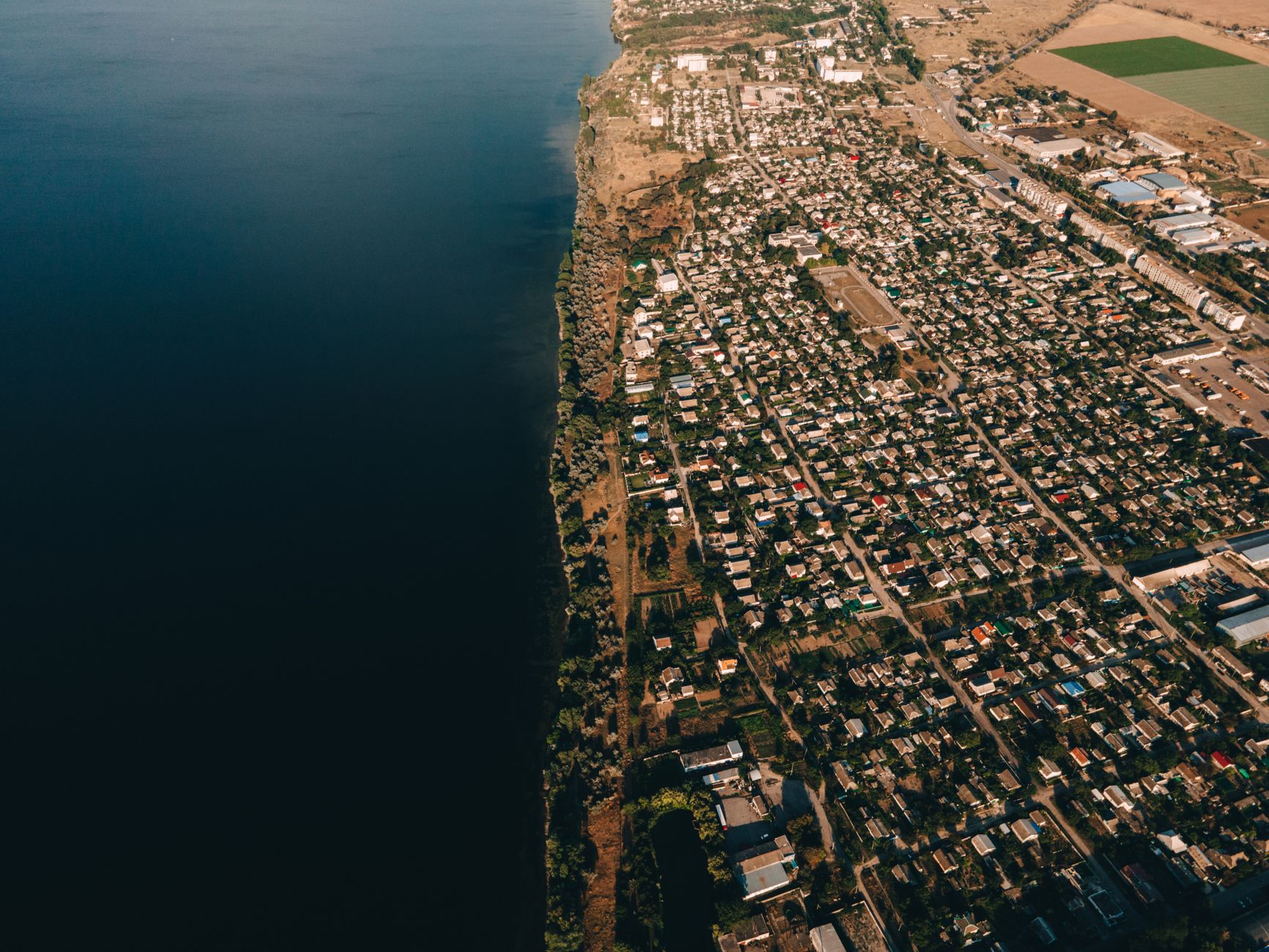
Among the 5,943 parcels in this market's record, the overwhelming majority carry a Half Moon Bay address and the zip code 94019. That single code covers the incorporated City of Half Moon Bay and a surrounding band of unincorporated San Mateo County land — coastal terrace neighborhoods, rural parcels along Highway 92, and scattered residential pockets that share a Half Moon Bay mailing address but answer to the county, not city hall.
For mail delivery, that distinction is invisible. For everything else that matters in real estate — permits, zoning, code enforcement, planning approvals, and the base tax rate — it is the most important thing to know about a parcel.
Half Moon Bay's homes, from the record
| Built | Homes |
|---|---|
| before 1940 | 253 |
| 1940-1959 | 347 |
| 1960-1979 | 1,946 |
| 1980-1999 | 1,855 |
| 2000 or later | 703 |
| Single-family homes | 4,281 |
|---|---|
| Median lot | 6,710 sq ft |
| On an acre or more | 61 |
| Median size | 1,970 sq ft |
5,104 of 5,943 parcels in this market's record have a known build year.
What the zip code does and does not tell you
Zip codes are postal tools. The U.S. Postal Service draws them to move mail efficiently, not to track governance. 94019 is the only zip code assigned to the Half Moon Bay area, so it necessarily absorbs a wide geography that crosses municipal boundaries.

Lenders use zip codes to route loan files and flag areas for underwriting review. Insurers use them to price homeowners policies and assign risk tiers, particularly for fire and coastal exposure. Title companies pull them into their geographic search parameters. County assessor records use them as an address field. None of those uses require the zip to match a political boundary — and in Half Moon Bay, it does not.
The practical result: an address in 94019 tells you roughly where a property sits on the coast. It does not tell you who issues your building permit, what zoning classification applies, what setbacks govern your addition, or which planning department reviews your lot split.
City parcel versus county parcel: how to tell the difference
The clearest way to determine jurisdiction is the Assessor's Parcel Number, or APN. San Mateo County maintains a publicly searchable assessor database and an online mapping tool. Every parcel in the county carries an APN, and the county's geographic information system will display whether a parcel falls within an incorporated city limit or in unincorporated county territory.
The city limit is not intuitive from the street. Developed neighborhoods along the coastal bluff, the downtown core, and established subdivisions near Highway 1 are generally within city limits. Some properties just east or south of those areas — including rural acreage and certain mobile home parks — may carry the same Half Moon Bay address but sit in unincorporated county land.

If you are not certain, look it up before assuming. A contractor, escrow officer, or title rep who does not check can send a permit application to the wrong agency, and that creates delays that cost time and money.
What jurisdiction means in practice
Building permits. City of Half Moon Bay parcels apply for permits through the City's Community Development Department. Unincorporated parcels apply through San Mateo County's Planning and Building Department. The two agencies have different fee schedules, different application portals, different inspection processes, and different code interpretations on some items. Work permitted through the wrong agency is not permitted work.
Zoning. The City of Half Moon Bay maintains its own General Plan and zoning code. San Mateo County has a separate General Plan and zoning ordinance that governs unincorporated land. Setback requirements, accessory dwelling unit rules, lot coverage limits, and allowable uses can differ between the two, sometimes meaningfully.
Code enforcement. A complaint about an unpermitted structure or a land-use violation goes to city code enforcement for city parcels and to county code enforcement for unincorporated ones. Calling the wrong office typically results in a referral, but it costs time.
Property taxes. All parcels in the county pay the base 1 percent rate under Proposition 13, plus any voter-approved special assessments and bonds. The specific assessments on a tax bill vary by parcel location. City parcels may carry different special tax line items than county parcels in the same zip. The San Mateo County Tax Collector's office is the right place to look up what a specific parcel owes.
The housing stock here adds urgency to getting this right
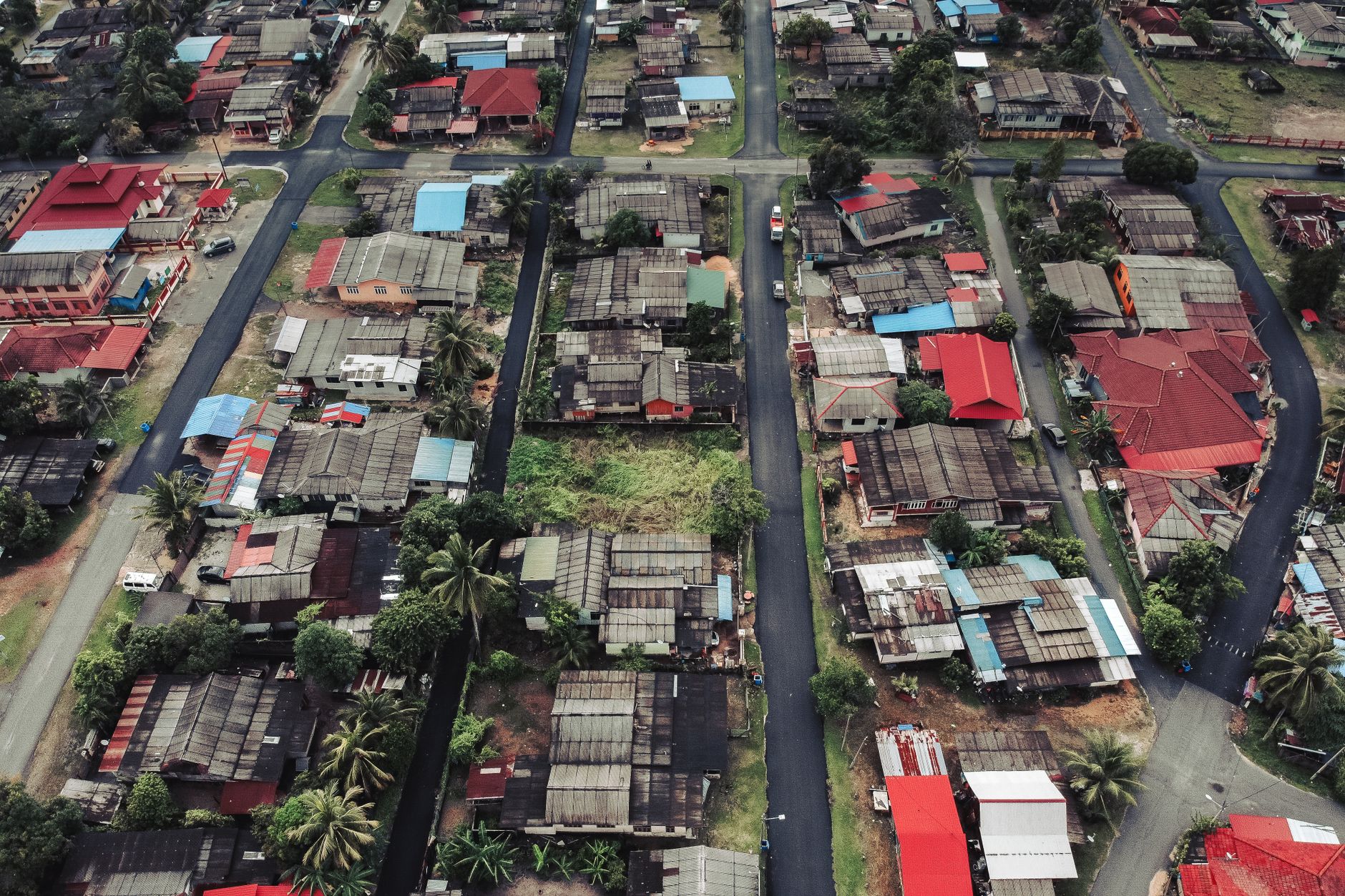
Of the 5,943 parcels in this market's record, 2,546 were built before 1980 — nearly half of all parcels with a known build year. Older homes are more likely to have unpermitted additions, converted garages, or outbuildings that predate modern permit requirements. When an owner of one of those homes wants to legalize existing work or add new space, filing with the correct jurisdiction from the start avoids a redundant process.
The 292 mobile home parcels in the record and the 239 vacant land parcels are worth a separate mention. Mobile home parks often occupy land that is zoned and governed differently from adjacent residential neighborhoods, and vacant parcels in the coastal zone carry Coastal Commission overlay rules that apply regardless of whether the land is in the city or the county.
Where to check
Tim McMullen · CA DRE #02016832
[email protected] · (415) 691-9272
More from Half Moon Bay
Ocean Colony buyers face three separate approvals — HOA, city, and state
Ocean Colony is one of the few planned communities in Half Moon Bay where HOA governance, California coastal law, and city zoning all apply simultaneously. Buyers who understand what each layer controls will move through escrow with fewer surprises.
Canada Cove buyers own the home but not the ground — here is what that means
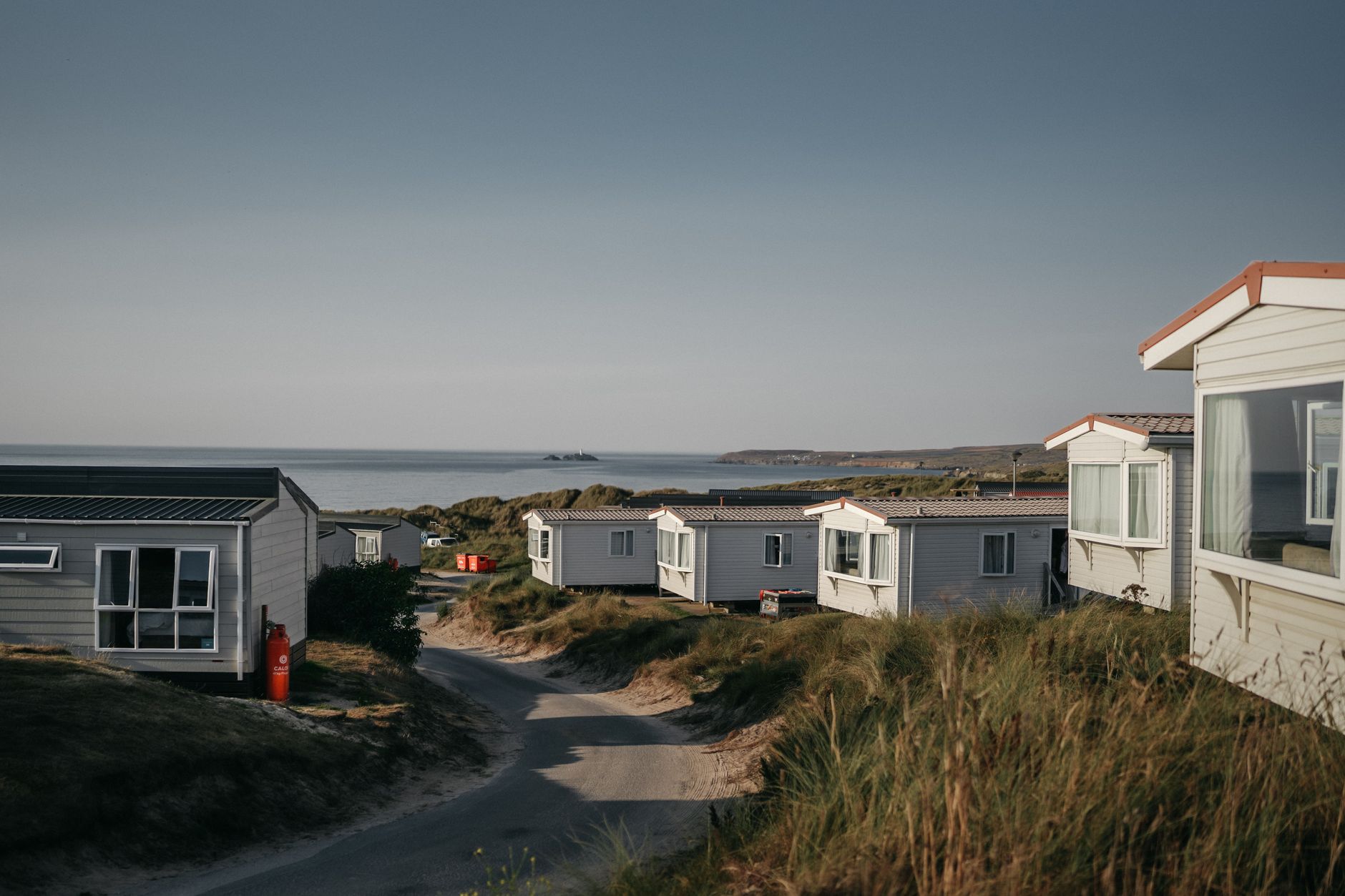
Half Moon Bay's parcel record shows 292 mobile homes — the great majority of them at Canada Cove. Here is how ownership actually works there, what state and local rules govern space-rent increases, and why the land question matters more than most buyers expect.

Half Moon Bay Sellers: That $1,760 Tax Bill Is Just the Starting Point
San Mateo County's documentary transfer tax is set by state statute, but most other closing costs are negotiable or provider-dependent. Here is what the official sources say and where the guesswork ends.