Ocean Colony buyers face three separate approvals — HOA, city, and state

Half Moon Bay's parcel record counts 433 condominiums and 60 townhouses across the entire city — a small slice of a market dominated by single-family homes. Ocean Colony accounts for a substantial portion of that attached-housing inventory, which means the documents and rules that govern it are worth understanding before you make an offer, not after.
Half Moon Bay's homes, from the record
| Built | Homes |
|---|---|
| before 1940 | 253 |
| 1940-1959 | 347 |
| 1960-1979 | 1,946 |
| 1980-1999 | 1,855 |
| 2000 or later | 703 |
| Single-family homes | 4,281 |
|---|---|
| Median lot | 6,710 sq ft |
| On an acre or more | 61 |
| Median size | 1,970 sq ft |
5,104 of 5,943 parcels in this market's record have a known build year.
What Ocean Colony Is
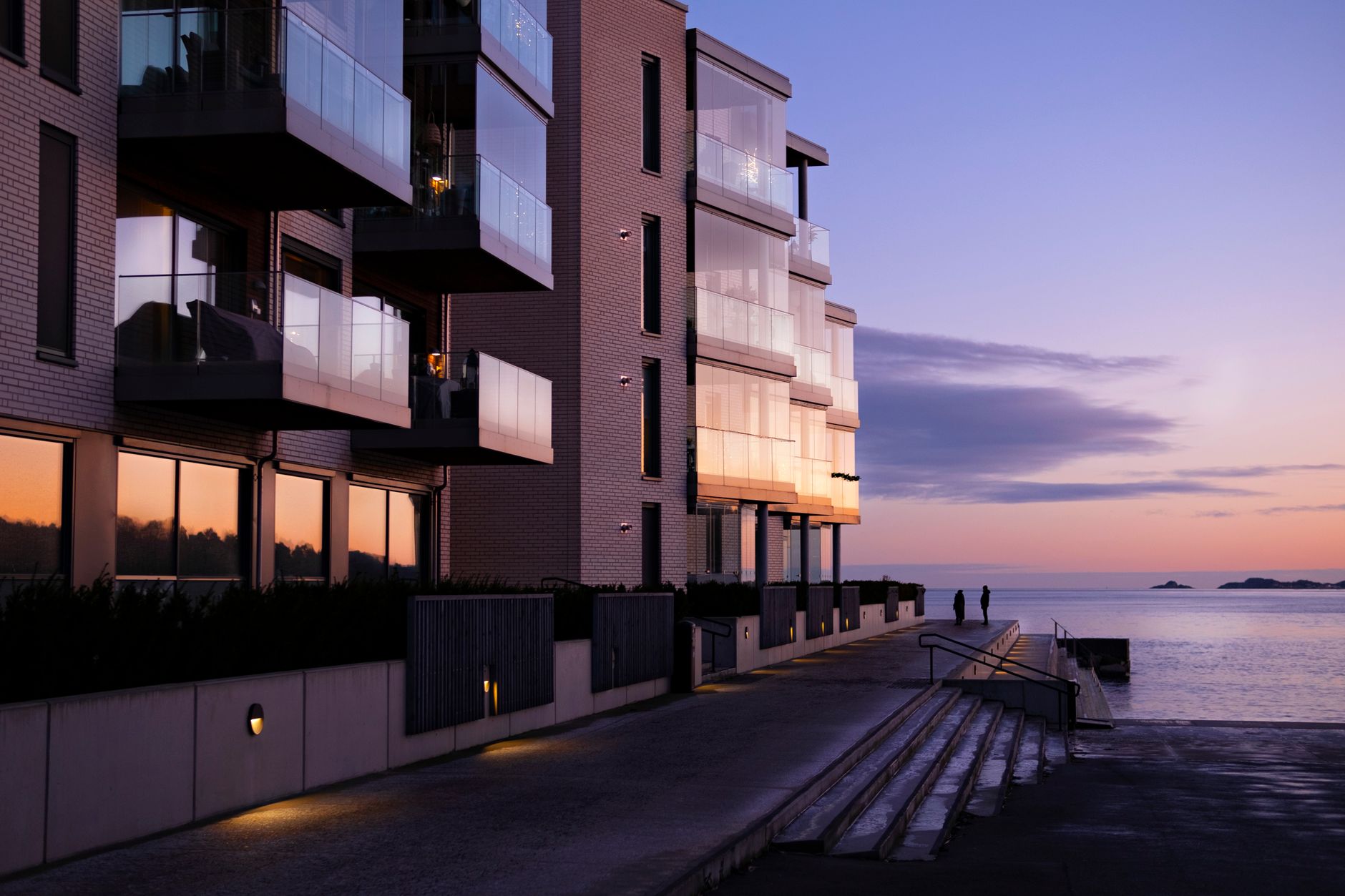
Ocean Colony is a private, gated community on the southern edge of Half Moon Bay, built primarily in the 1980s and 1990s along the Ritz-Carlton side of the Half Moon Bay Golf Links. It contains a mix of single-family detached homes, attached townhouses, and condominium-style units organized into sub-associations. The overall community operates under a master HOA, and many individual clusters have their own sub-HOA on top of that. Buyers need to identify which layer — master, sub, or both — applies to the specific unit they are purchasing, because the dues, rules, and reserve funds may be separate at each level.
The HOA Document Package
California Civil Code requires sellers of a common-interest development to deliver a disclosure package to buyers, often called the HOA document package or the Civil Code Section 4525 disclosures. The package typically includes the Declaration of Covenants, Conditions and Restrictions (CC&Rs), the bylaws, the rules and regulations, the current operating budget, the reserve study, the most recent reserve funding disclosure, minutes from recent board meetings, and any pending or active litigation disclosures. At Ocean Colony, where there are master and sub-associations, you should confirm you have received the documents for every association that has authority over your unit.
The reserve study is the document that tells you whether the HOA has set aside enough money to repair and replace common-area components — roofs, roads, pools, exterior siding — over time. A reserve fund that is poorly funded relative to the study's targets is worth taking seriously. Ask the HOA management company directly for the percent-funded figure and the date of the most recent study. A licensed home inspector can review physical conditions; an attorney or CPA familiar with HOA financials can interpret the reserve study and budget if the numbers are not clear to you.
CC&Rs: What They Actually Control
The CC&Rs are a recorded document — meaning they run with the land and bind every future owner. At Ocean Colony they define what you own outright (typically the interior of your unit), what you own as a shared interest (common areas and exterior elements), and what the HOA controls exclusively. For most units this means exterior paint colors, roofing materials, fencing, landscaping within common areas, and anything visible from outside your front door are HOA decisions, not yours to make unilaterally.
If you want to modify your unit's exterior — adding a deck, changing a window, installing a door — you will generally need HOA architectural committee approval before you start. That approval process, its timeline, and the criteria used are described in the CC&Rs and architectural guidelines. Read those sections before you assume a modification is possible.

The Coastal Zone Layer
Ocean Colony sits within the California Coastal Zone. That designation is not an HOA rule — it is state law administered locally. The City of Half Moon Bay is a certified Local Coastal Program (LCP) jurisdiction, which means the city's planning department applies coastal policies when it reviews permits for development or significant exterior alterations in the zone.
In practical terms: if a proposed project requires a building permit and that project is within the coastal zone, the city will evaluate it against the LCP's policies in addition to standard zoning rules. Projects that are purely interior and do not change the footprint, height, or exterior appearance of a structure are generally not coastal development as defined by the Coastal Act, but the determination of what triggers coastal review belongs to the city's planning department, not to the HOA and not to your agent. Before starting any exterior work, ask the planning department whether a Coastal Development Permit is required. That question costs nothing and can save a great deal.
What to Request Before You Remove Contingencies
Beyond the standard HOA package, ask for:
- The most recent special assessment history and any currently pending special assessments
- Written confirmation of whether any litigation is active or threatened involving the HOA
- The current delinquency rate on dues, if the HOA or its management company will disclose it
- Confirmation of which sub-association, if any, governs your specific building or cluster
- The HOA's insurance certificate, to understand what the master policy covers versus what you must insure yourself
An attorney should review any litigation disclosure. A CPA or financial adviser should review the reserve funding picture if the percent-funded figure is below what the study recommends. These are not tasks to delegate to intuition.

Where the City Fits In
The City of Half Moon Bay's planning and building departments are the authorities on coastal permits and building code compliance. The California Coastal Commission is the state authority if a local coastal permit decision is appealed or if a project falls under the commission's retained jurisdiction. The HOA has authority only within the scope of its own governing documents.
All three can say no to the same project for different reasons. Understanding which approval you need — and in what order — before spending money on plans is simply how this coastal community works.
Tim McMullen · CA DRE #02016832
[email protected] · (415) 691-9272
More from Half Moon Bay

Canada Cove buyers own the home but not the ground — here is what that means
Half Moon Bay's parcel record shows 292 mobile homes — the great majority of them at Canada Cove. Here is how ownership actually works there, what state and local rules govern space-rent increases, and why the land question matters more than most buyers expect.

Your Half Moon Bay address is in 94019. That tells you almost nothing.
Half Moon Bay has one zip code, 94019, but that single code covers both city-incorporated parcels and unincorporated San Mateo County land. For permits, zoning, and taxes, those two categories operate under different rules entirely.

Half Moon Bay Sellers: That $1,760 Tax Bill Is Just the Starting Point
San Mateo County's documentary transfer tax is set by state statute, but most other closing costs are negotiable or provider-dependent. Here is what the official sources say and where the guesswork ends.